
Creative Mindfulness in Nature
Presence, connection and care for the living world
Presence · Connection · Care
A deeper connection.
A shared belonging.
A deeper connection with ourselves, each other and the living world.
We begin by slowing down and noticing. As we come into a deeper connection with ourselves, we begin to recognise the aliveness we share with the world around us. From this sense of belonging, care can grow.
Explore the courses ↓
Begin with your own connection · With Paul McNamee
Connect with Nature
Introduction Course
A gentle starting point for exploring the connection between your inner life and the natural world.
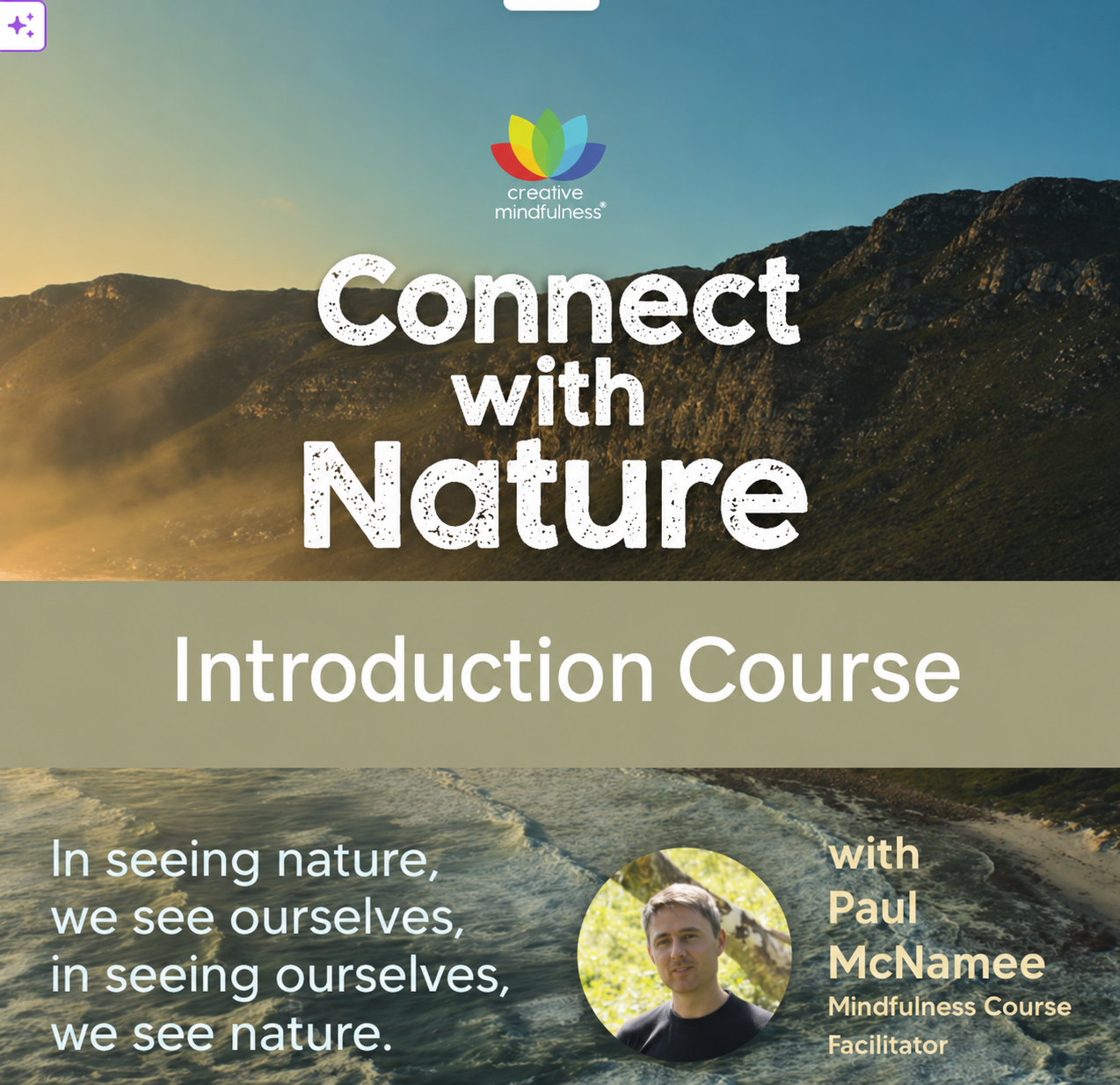
This introductory taster brings together a recorded webinar, guided meditations, worksheets and other course resources. Explore how turning inward and connecting with ourselves can deepen our relationship with nature.
Through mindfulness and focused exercises, begin to recognise the natural movements of thoughts, emotions and sensations, and discover what the living world can teach us.
Explore the introduction course ↗Learn with Creative Mindfulness
Nature Based Creative Mindfulness Practitioner Training
Help children and the adults who care for them build a mindful, compassionate relationship with the living world.
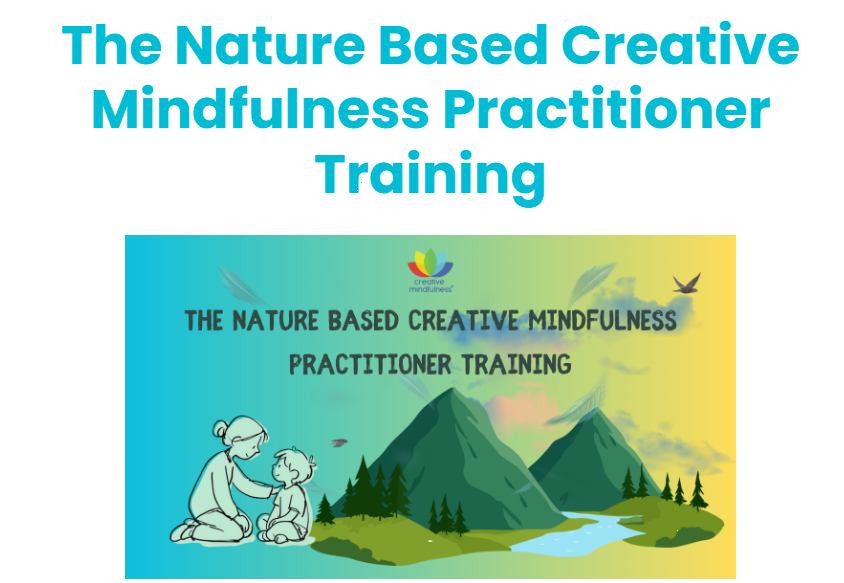
This training combines personal practice with tools for guiding children and caregivers, in groups and with individual families. Deepen your own connection with nature while learning ways to support others.
Explore videos, self-paced readings, guided meditations and creative nature activities, with teaching from Louise Shanagher, Paul McNamee and other practitioners.
- Develop your own nature-based mindfulness practice.
- Bring creative activities, games and crafts into your work.
- Explore connection with ourselves, each other and our environment.
See the course page for full details, enrolment and requirements.
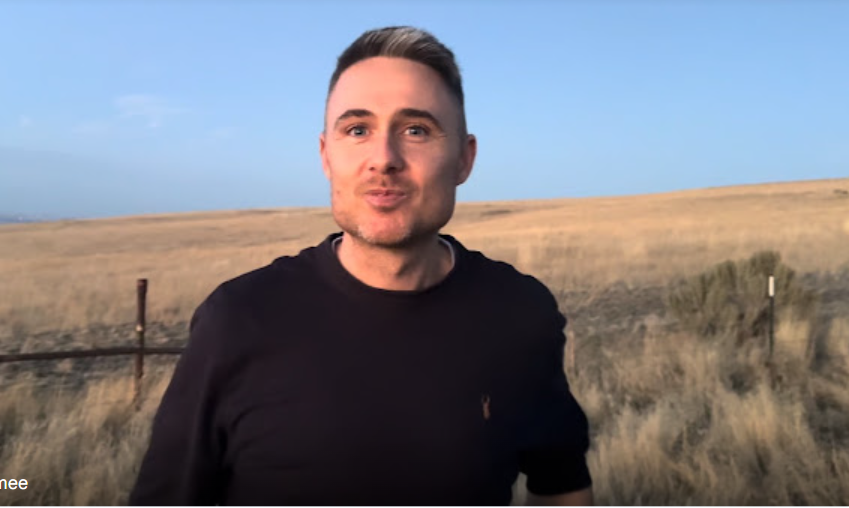 WatchSharing nature with childrenPaul on shared experiences with parents and caregivers
Paul reflects on the importance of parents and caregivers sharing experiences in nature with children.
Three steps to practising with nature
From presence
to care.
These courses offer a way into this unfolding practice. We stop and notice; presence deepens into recognition; and recognition becomes a desire to learn, protect and care. These three steps belong to one movement of connection.
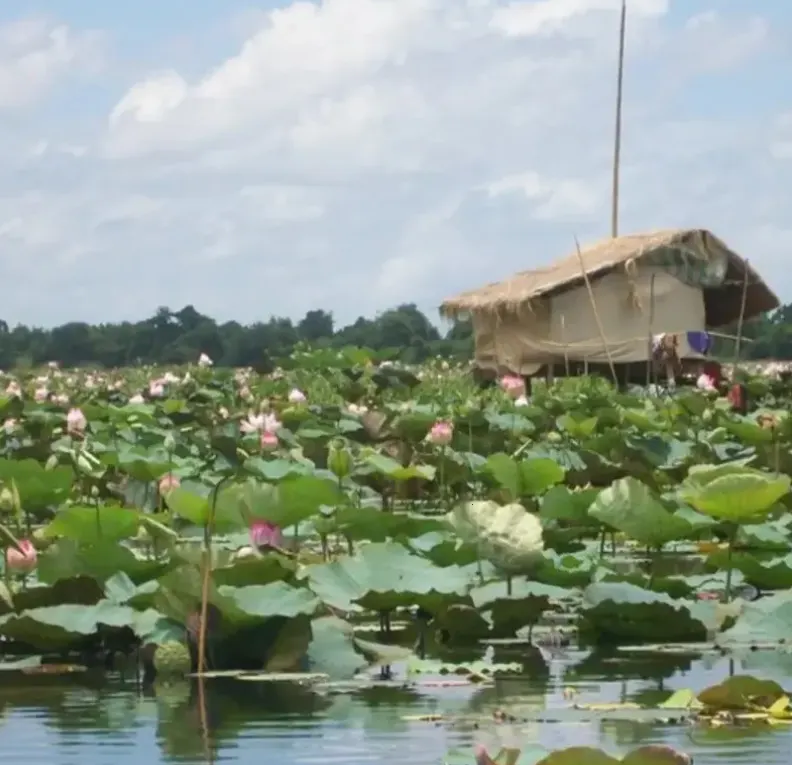
Nature Supporting Presence
Time in nature offers an invitation to move from doing into being. Through the sounds around us, the ground beneath our feet and the movement of the breath, we gently return to the present moment.
As we settle, we begin to feel the aliveness within us. Presence becomes a quiet resonance: a recognition of something familiar in the trees, the birds and the life around us.
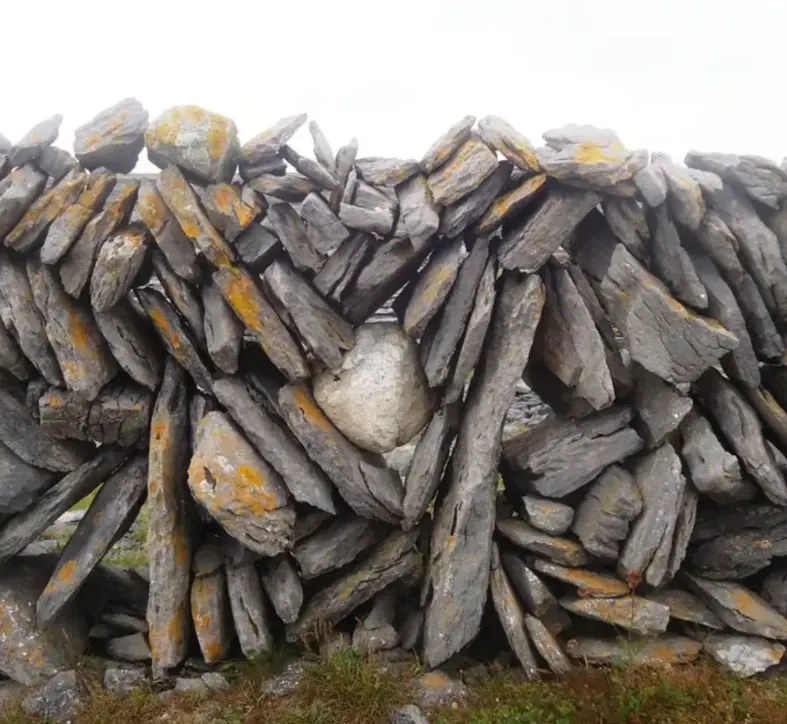
Nature as Teacher
In this practice, we explore the sense that all life belongs to one being, one consciousness, one aliveness. We are part of it: held within the living world, connected rather than separate or alone.
This recognition invites us to listen and learn. The changing seasons, the growth of a tree and the movements of our own hearts become expressions of a shared life. Nature becomes a teacher as we learn to meet it with attention and love.
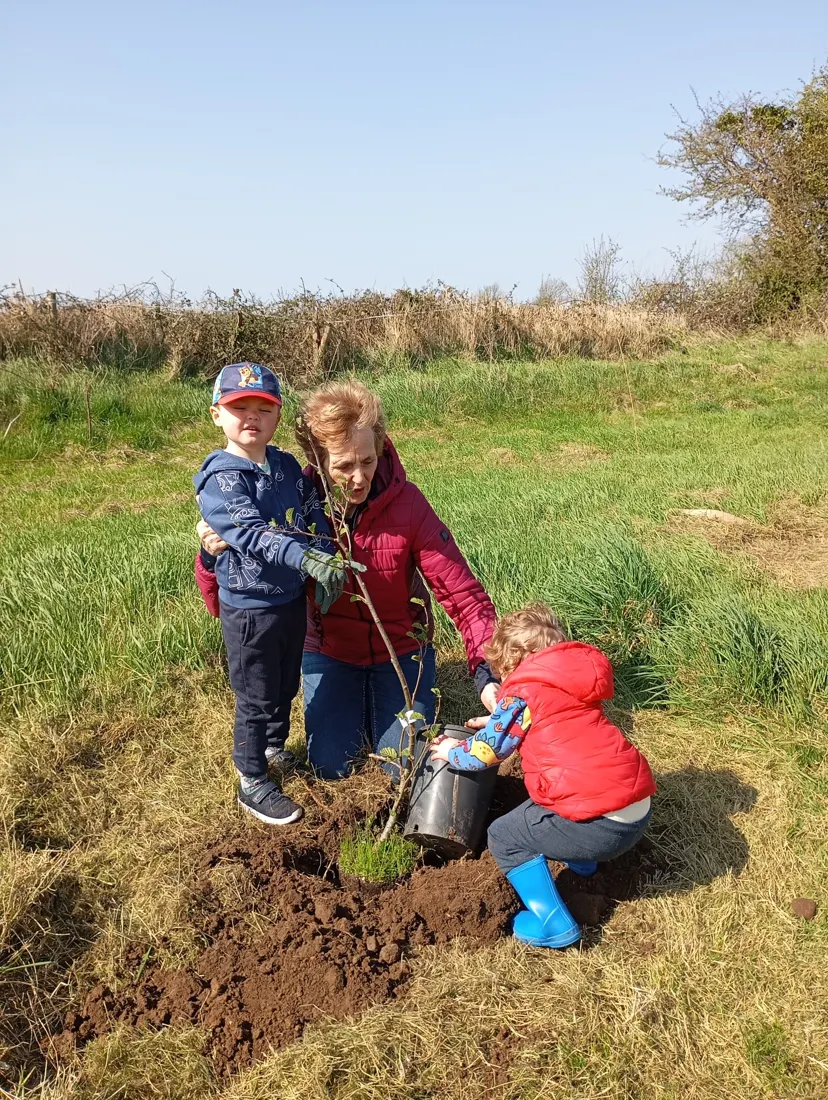
Living in Alignment with Nature
When we feel this belonging, care becomes a natural response. We want to understand the lives around us, protect their places and make room for them to flourish. Love finds expression in what we do.
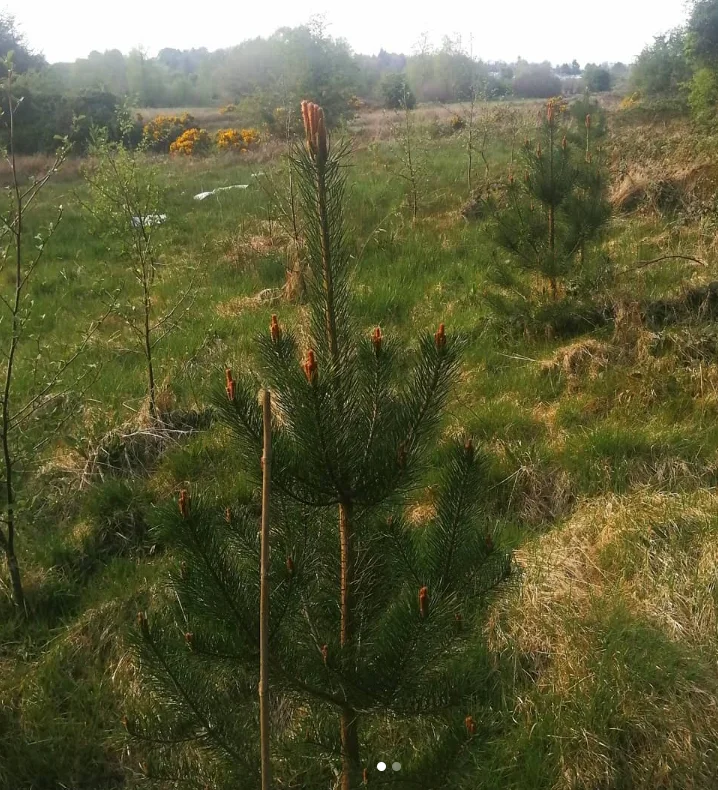
Planting native trees or allowing a garden to grow wild becomes a practical expression of compassion and kinship.
Meet Paul
Paul McNamee
Nature Connection &
Environmental Programmes Lead
Paul is a psychology lecturer, mindfulness facilitator and curriculum developer. He holds a degree in Psychology and an MSc in Mindfulness-Based Wellbeing, alongside qualifications in adult education design and delivery.
He is a certified Mindfulness-Based Stress Reduction (MBSR) instructor and has trained in the Mindfulness Meditation Teacher Certification Programme (MMTCP) and Active Hope programmes.
Paul has many years of experience developing nature connection practices and workshops, creating wild gardens, managing woodland and facilitating nature-based retreats. His work brings together mindfulness, education and practical care for the natural world.
Explore ways to work with Paul ↓Watch · 3:05How my connection with nature developedPaul reflects on his own relationship with the natural world
Paul shares how his own sense of connection with nature developed.
Work with Paul
Find your own way
into connection.
Individual support and shared experiences to explore meditation, deepen your relationship with nature and bring practice into everyday life.
One-to-one mentoring
Online mentoring offers space to explore your experiences, ask questions and develop your meditation practice. Together, we discover ways to deepen your connection with nature wherever you are.
Enquire about mentoring ↗Nature immersions & retreats
Time to step out of everyday routines and give sustained attention to the living world. Through meditation, quiet observation and guided practice, we explore our relationship with the places and beings around us.
Enquire about retreats ↗Workshops
Guided experiences bringing together mindfulness, nature connection and practical care for the Earth. Opportunities to learn, reflect and practise together.
Enquire about workshops ↗The approach in everyday life
Connection becomes care.
What begins as a moment of presence can change the way we live. Listening becomes learning; belonging becomes love; and love becomes the work of protecting and caring for life. Wild Heart Garden, shared planting and places of contemplation give this practice a living form.
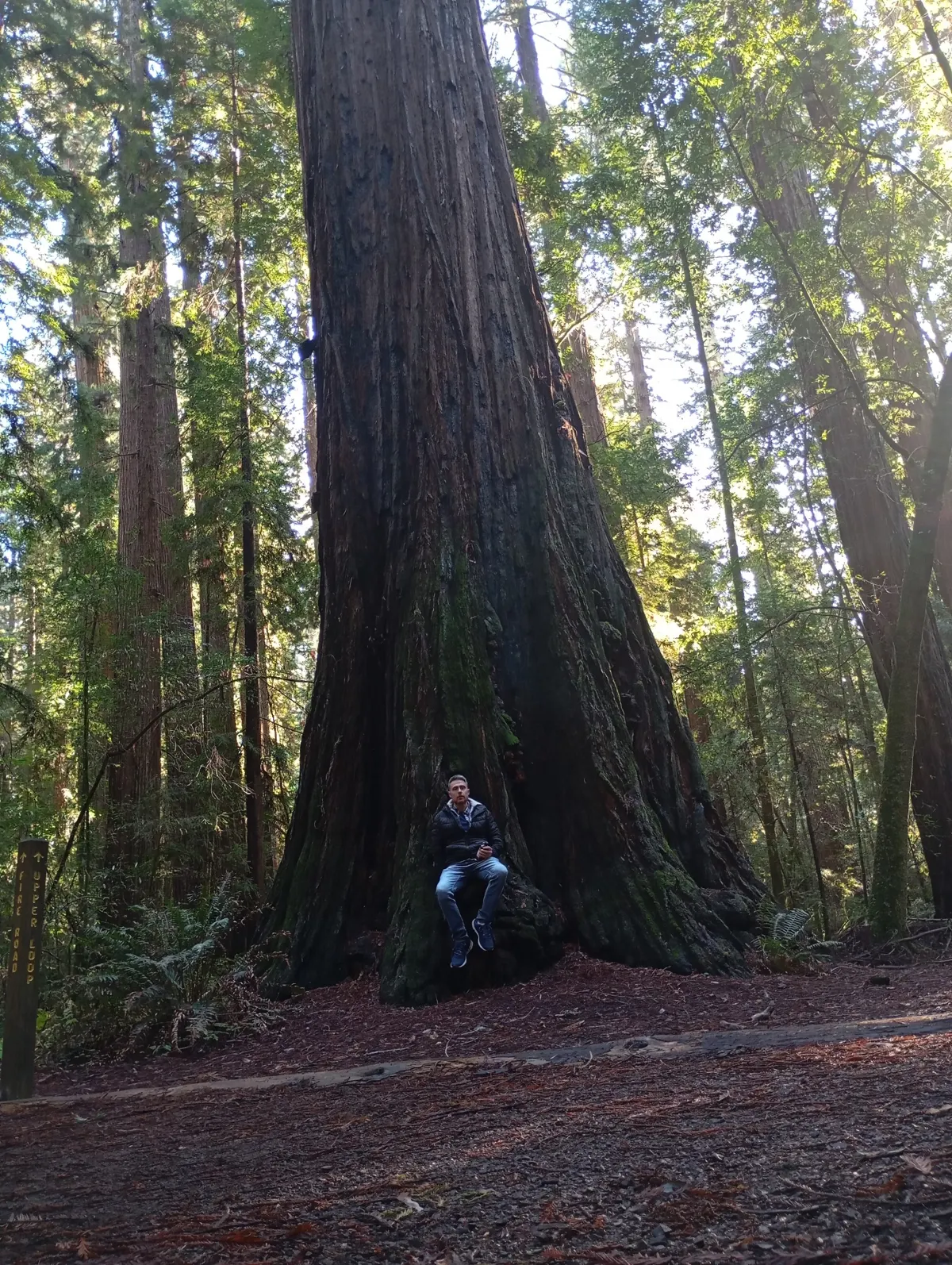
Nature supporting presence
A place to listen.
“To come home to this moment means to come home to the body and the earth. The earth is our larger body.”
The invitation begins with attention: feeling our feet on the ground, noticing the life around us, and allowing time to simply be.
Try listening to the trees ↓01 · Nature supporting presence — places for contemplation
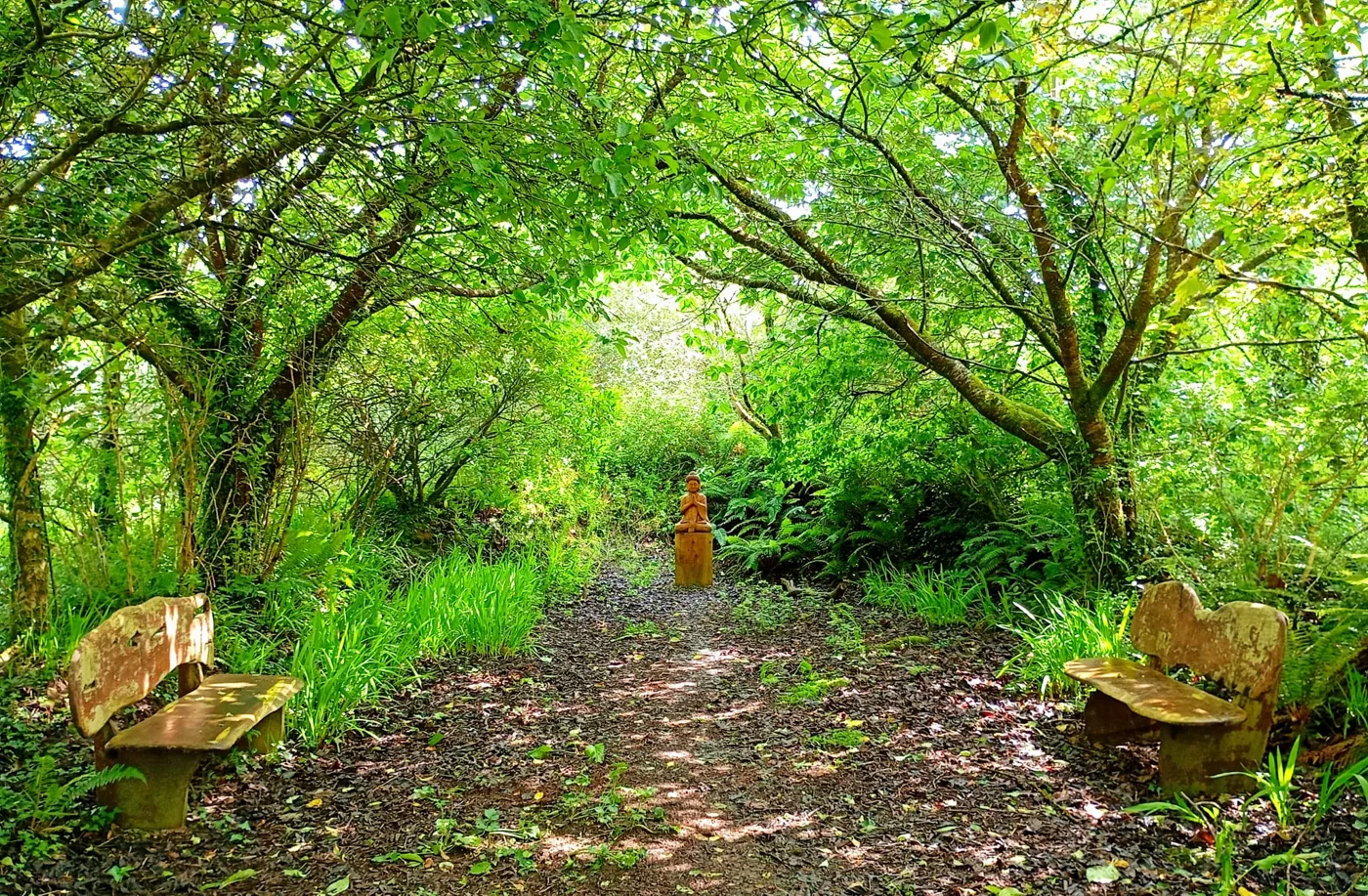
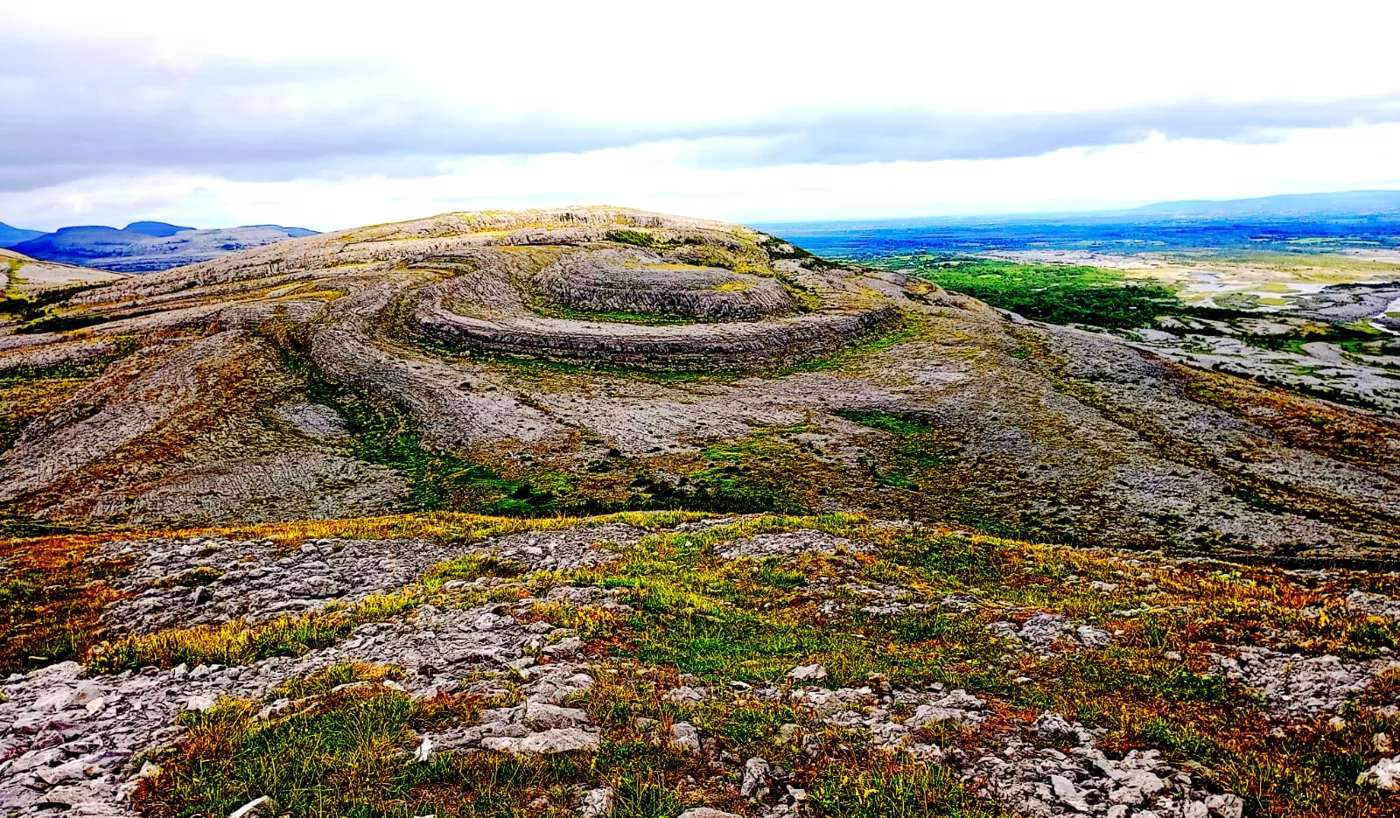
“The Burren is my constant source of inspiration. In the silence of the rocks, if we listen carefully, we can hear the hum of our own being.”
02 · Nature as teacher — noticing the living world
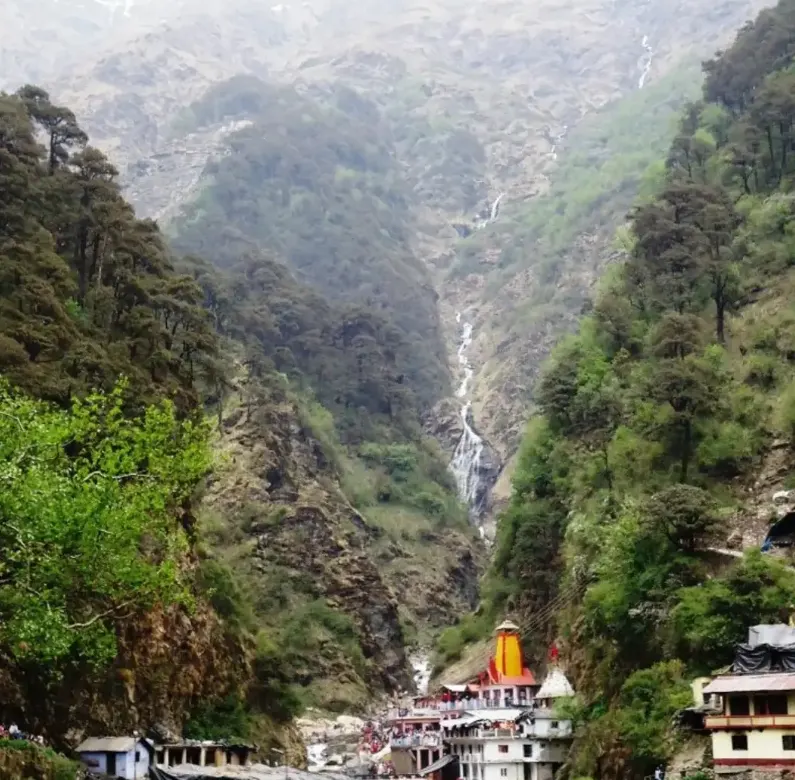
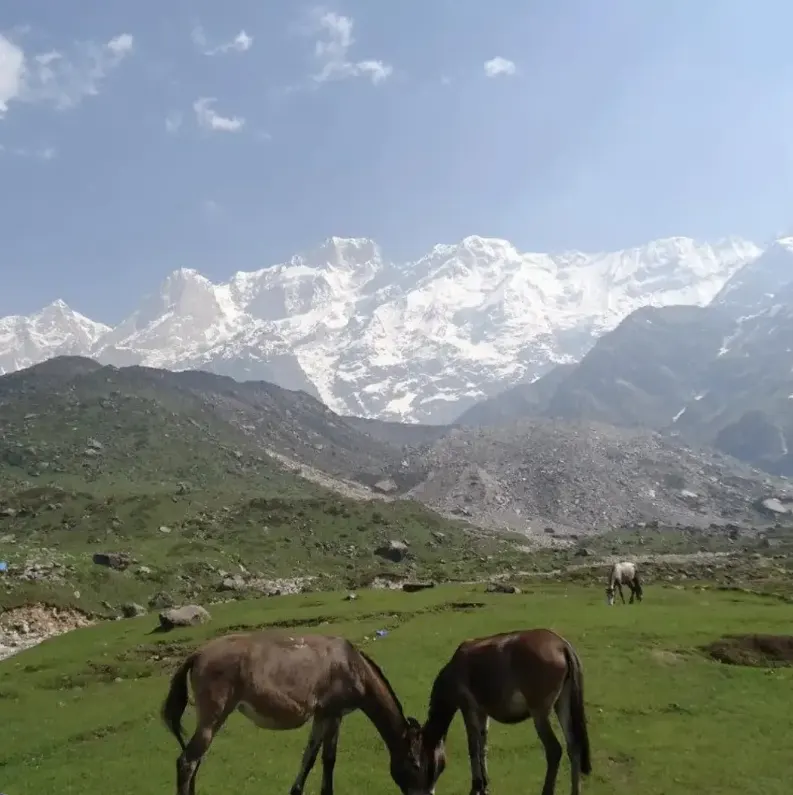
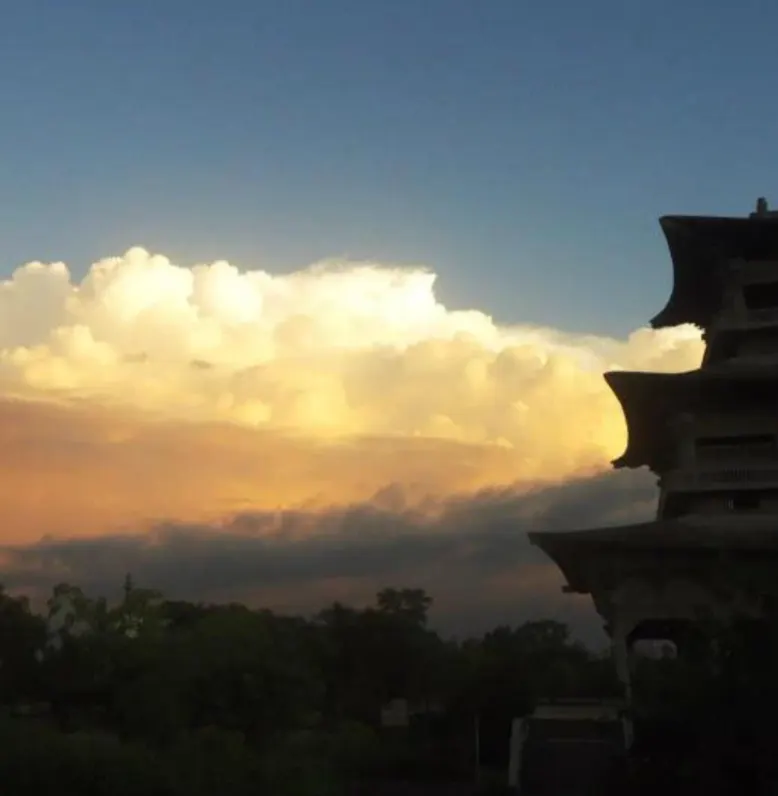
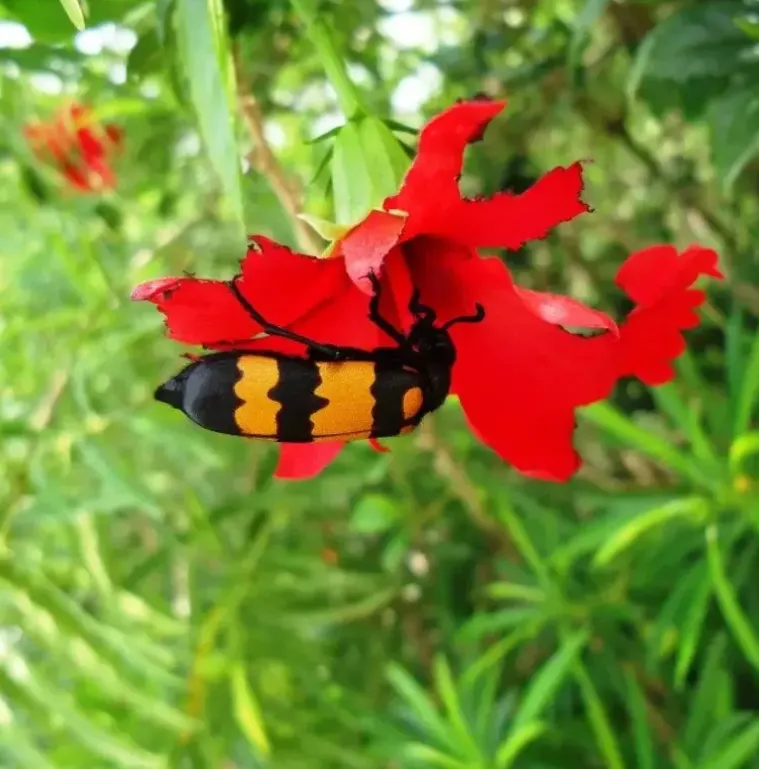
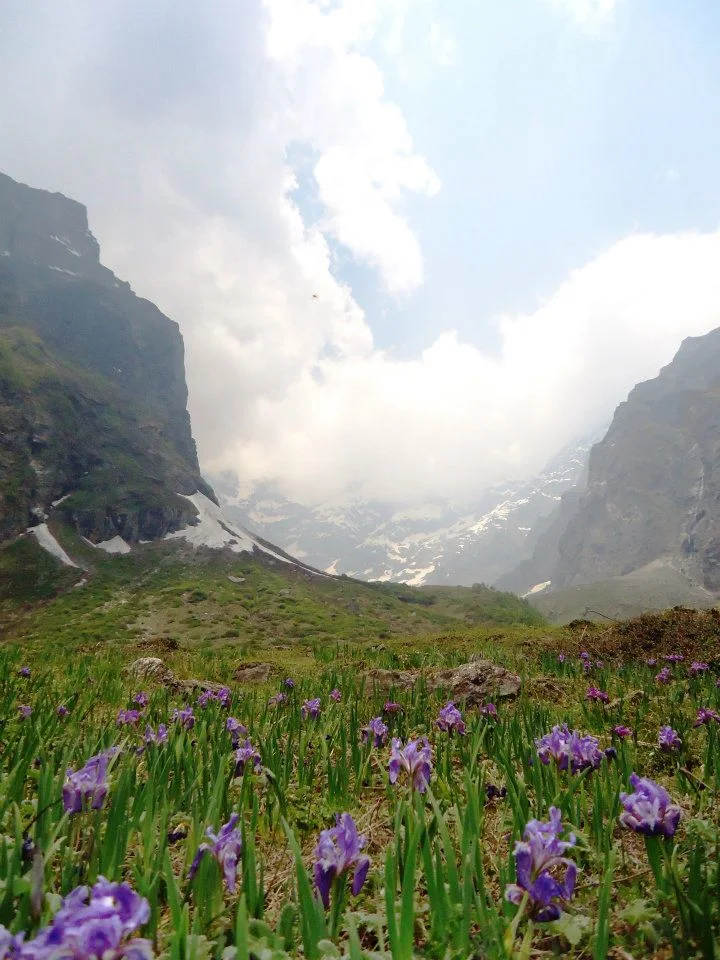
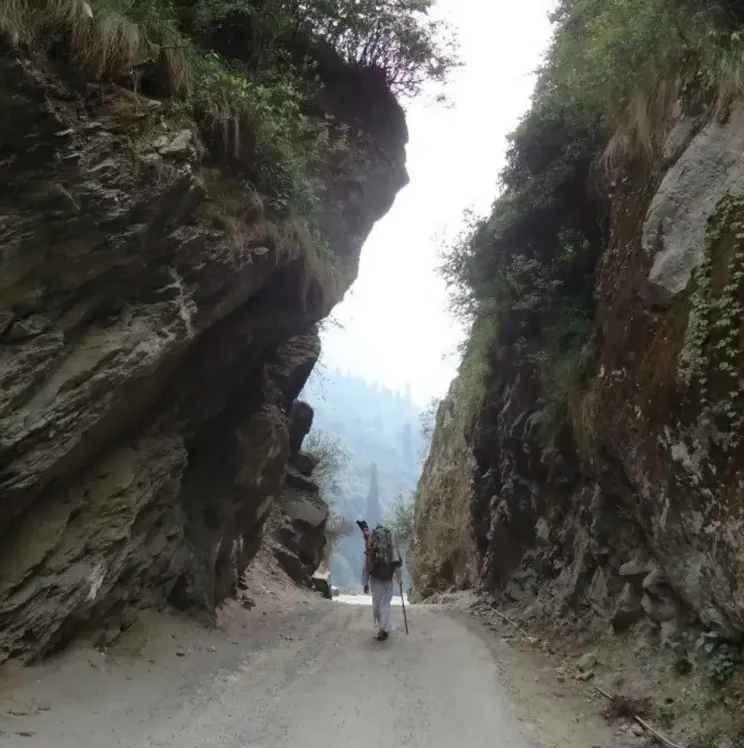
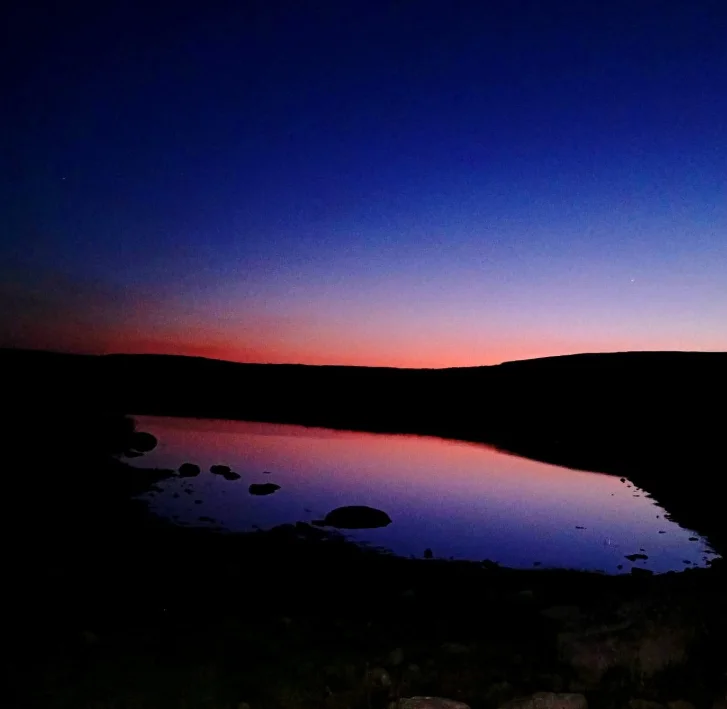
There is something to learn in a mountain landscape, a changing season, or the small life among the grasses. These photographs are moments of noticing.
Through Paul’s lens
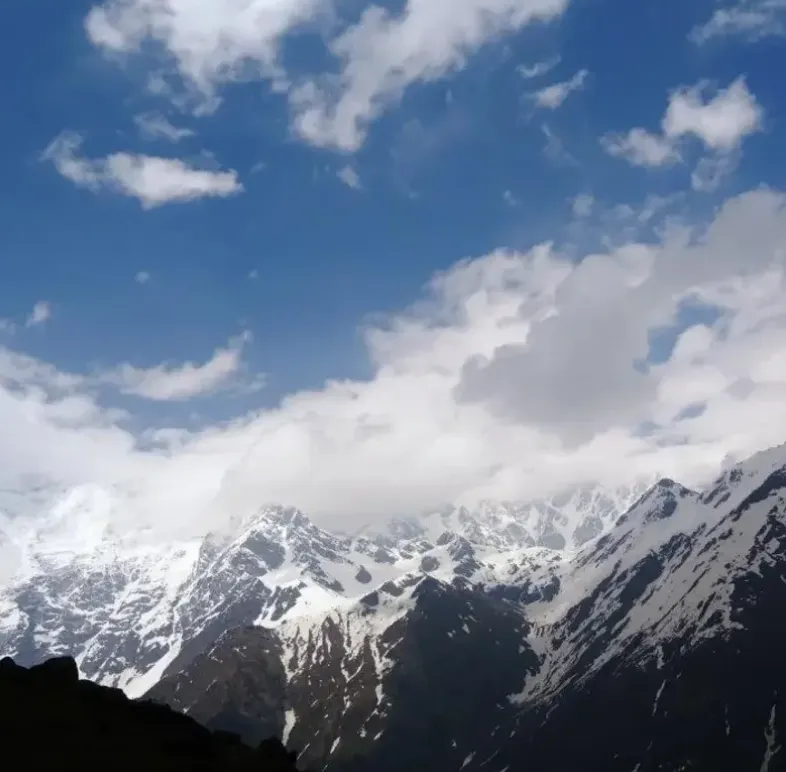
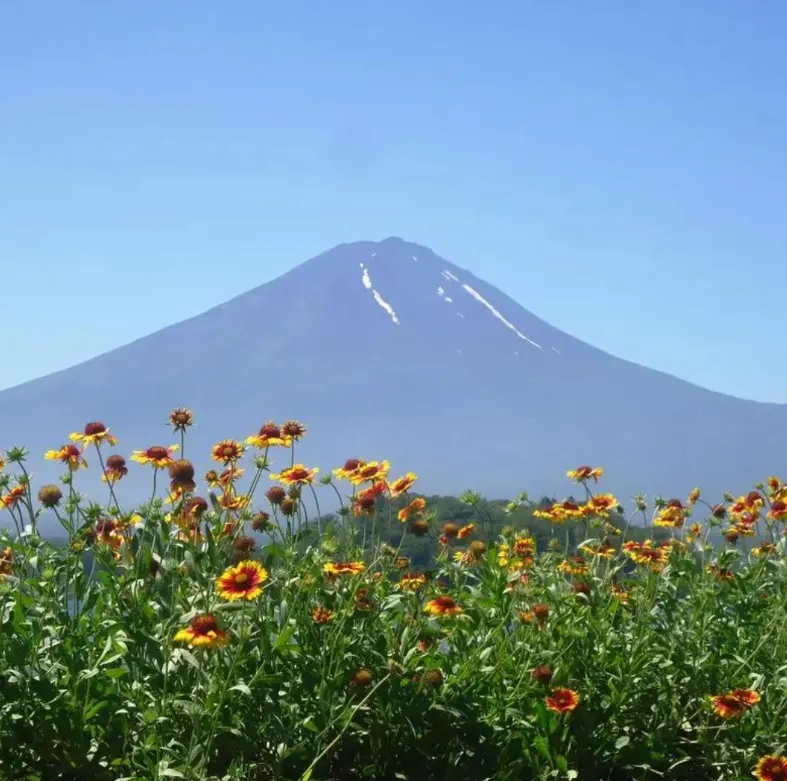
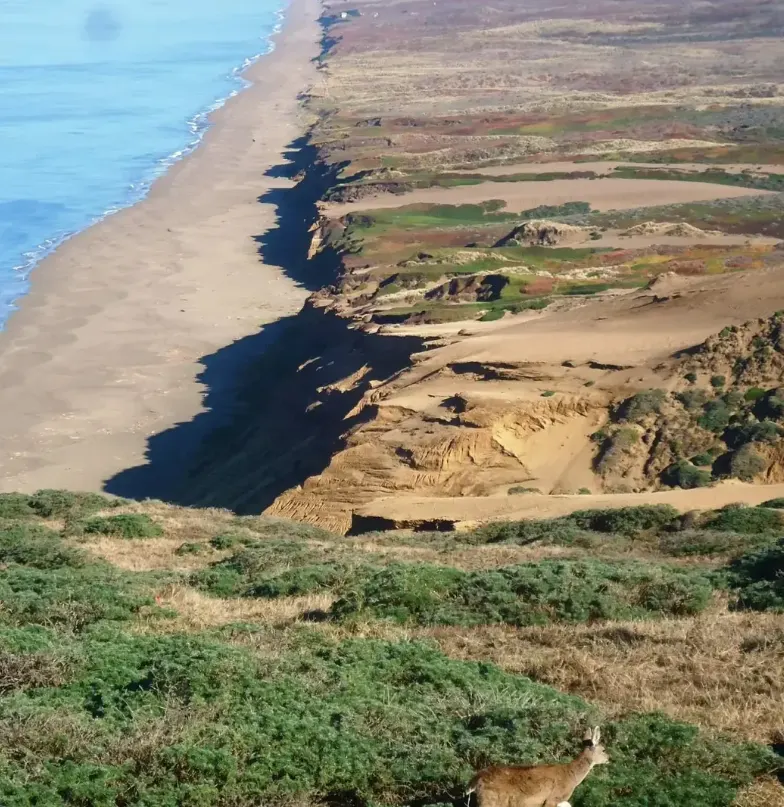
Photographs from Paul’s travels in Korea, India, the USA, Japan, Ireland, Nepal and Vietnam.
View the photographic collection
03 · Living in alignment — Wild Heart Garden at Louise’s home
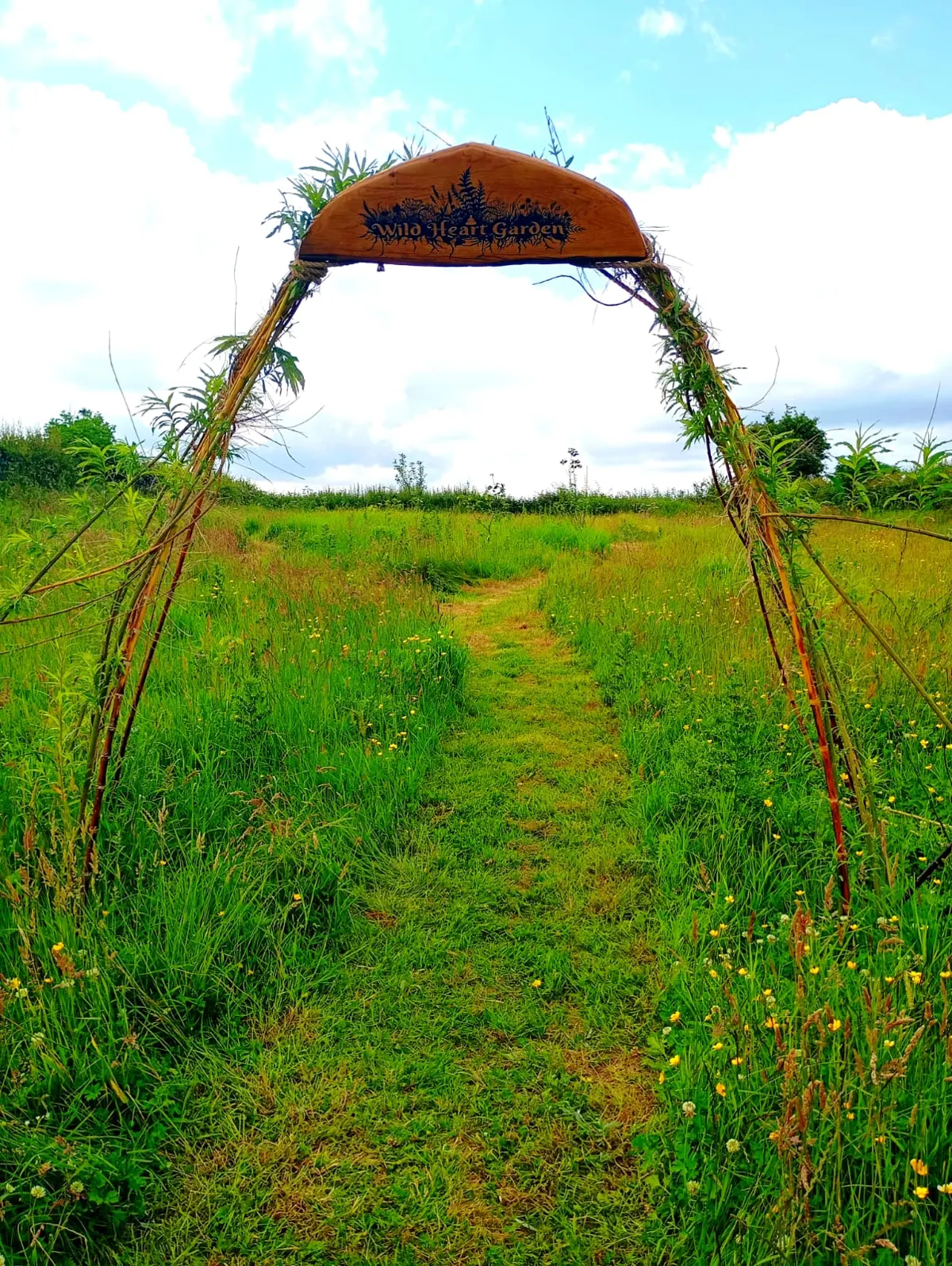
Louise’s Wild Heart Garden
Allowing the wild back in.
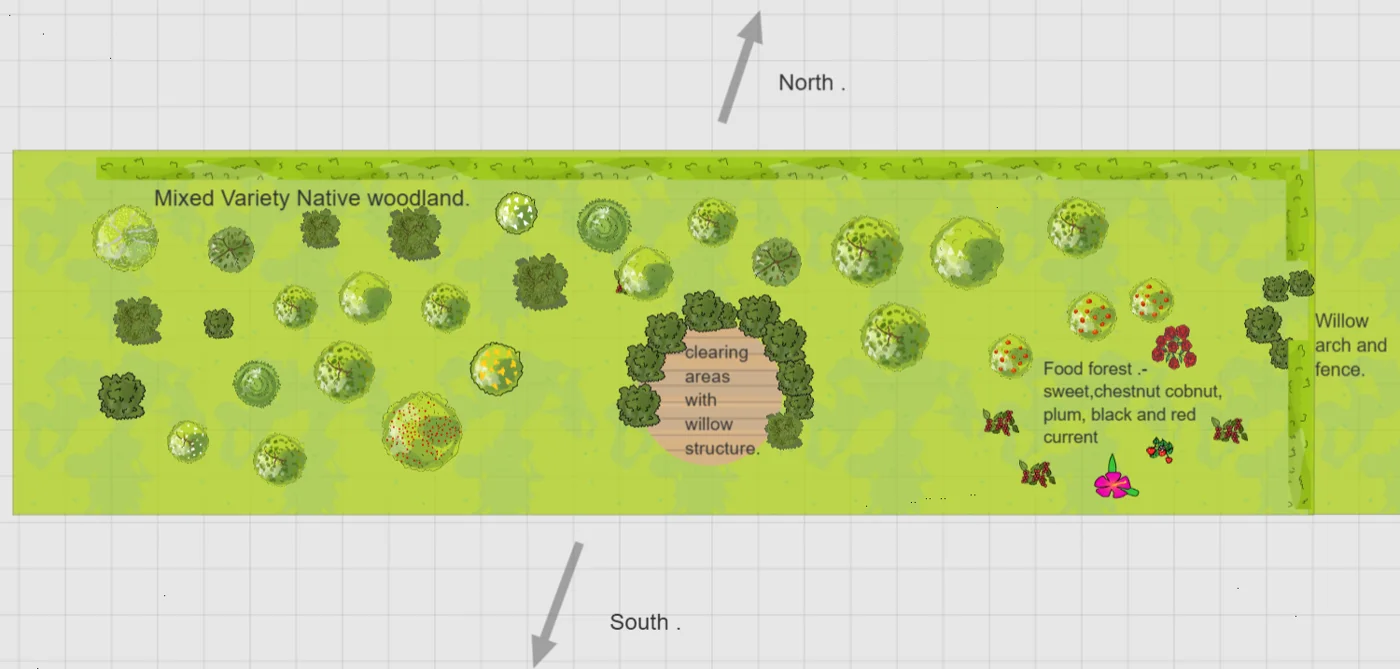
We began with a field used for cattle, bordered by native hedgerows. The intention was to welcome the wild back in, while creating places where people could spend time and feel part of the life around them.
A carefully planned mix of native woodland, fruit and berries makes space for habitat, food and human connection. The paths and gathering places belong within that living landscape.
When we make room for the wild in our hearts, we can make room for it in our spaces too. Wild Heart Garden is an expression of that recognition: planting trees, welcoming wildflowers and caring for the beings with whom we share this place.
Planting together at Wild Heart Garden
Growing roots across generations.
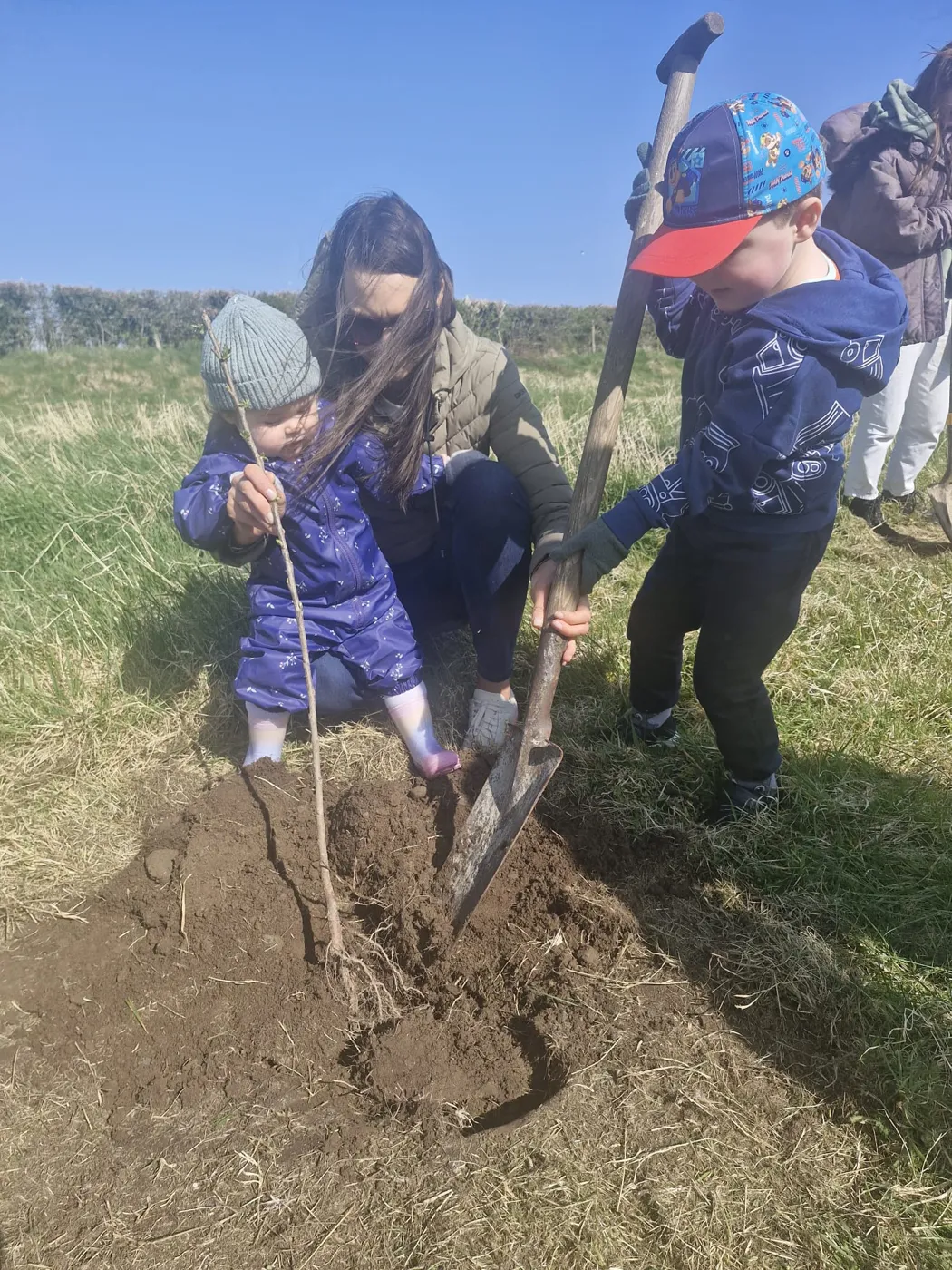
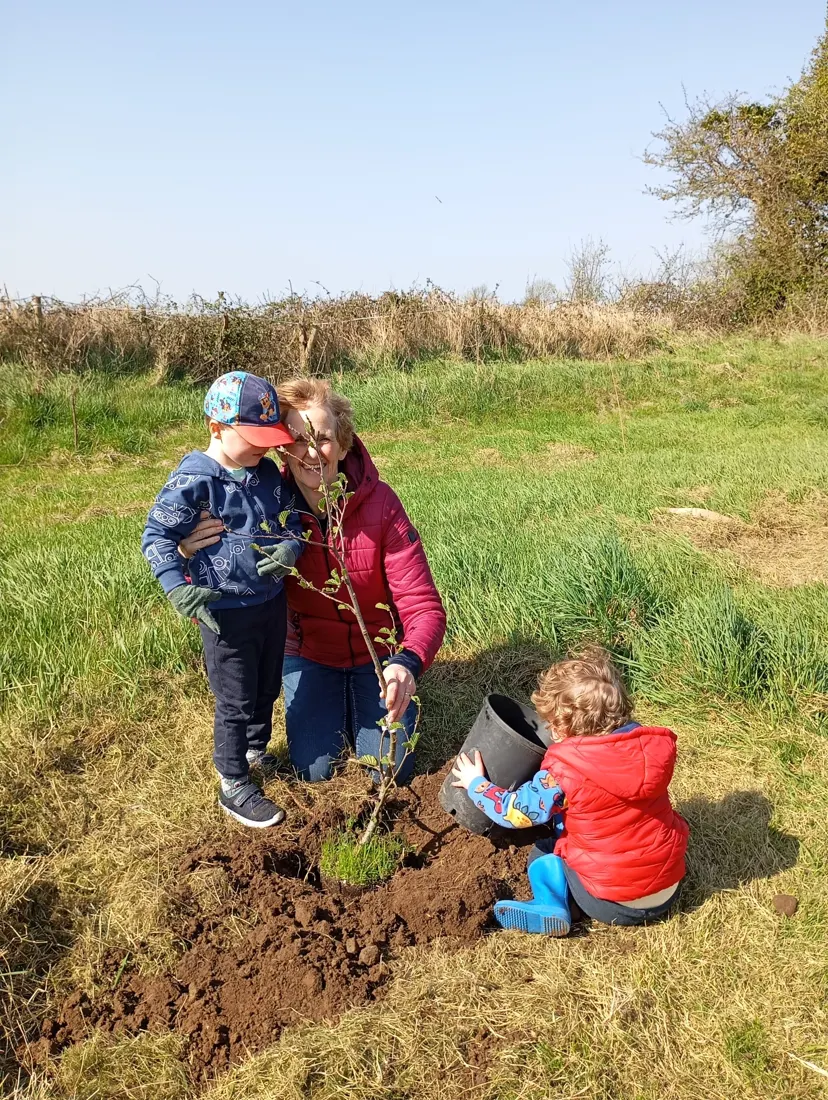
Planting and caring for a garden together can nurture a lifelong connection between children and a place. A tree planted with a parent or grandparent becomes part of a shared story—a place to return to, notice change and remember time spent together. Long after a loved one has gone, it can remain a living reminder of their care.
At Louise’s garden, making room for nature also means making room for these relationships: tending the land together, creating memories and giving future generations something living to cherish.
Why shared connection matters — the research
Children’s connection with nature grows through shared relationships as well as time outdoors. Research highlights the importance of the adults around them: the care, curiosity and enjoyment we bring to nature can help shape their own relationship with it.
A study of 209 children and their parents or guardians found that the adult’s own connection with nature was the strongest predictor of the child’s nature connection among the factors examined. This was an association, rather than evidence that a particular activity causes a lasting bond.
Topaz Shrestha and colleagues’ qualitative research with young people also explores the foundations of their relationships with nature, alongside wellbeing and care for the environment. These findings inform our emphasis on shared attention and care; the garden is a place to put that intention into practice.
Planting day — photographs
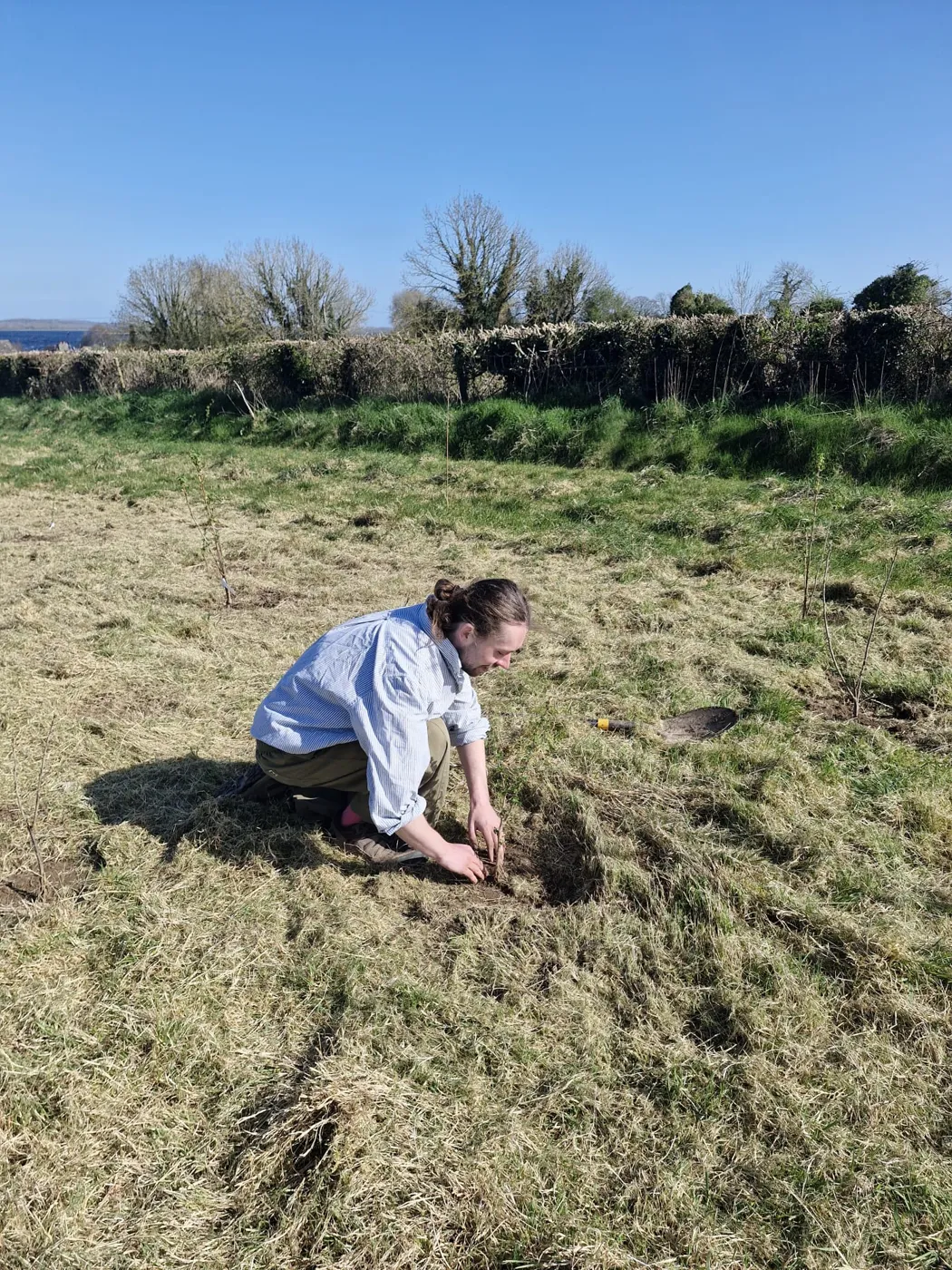
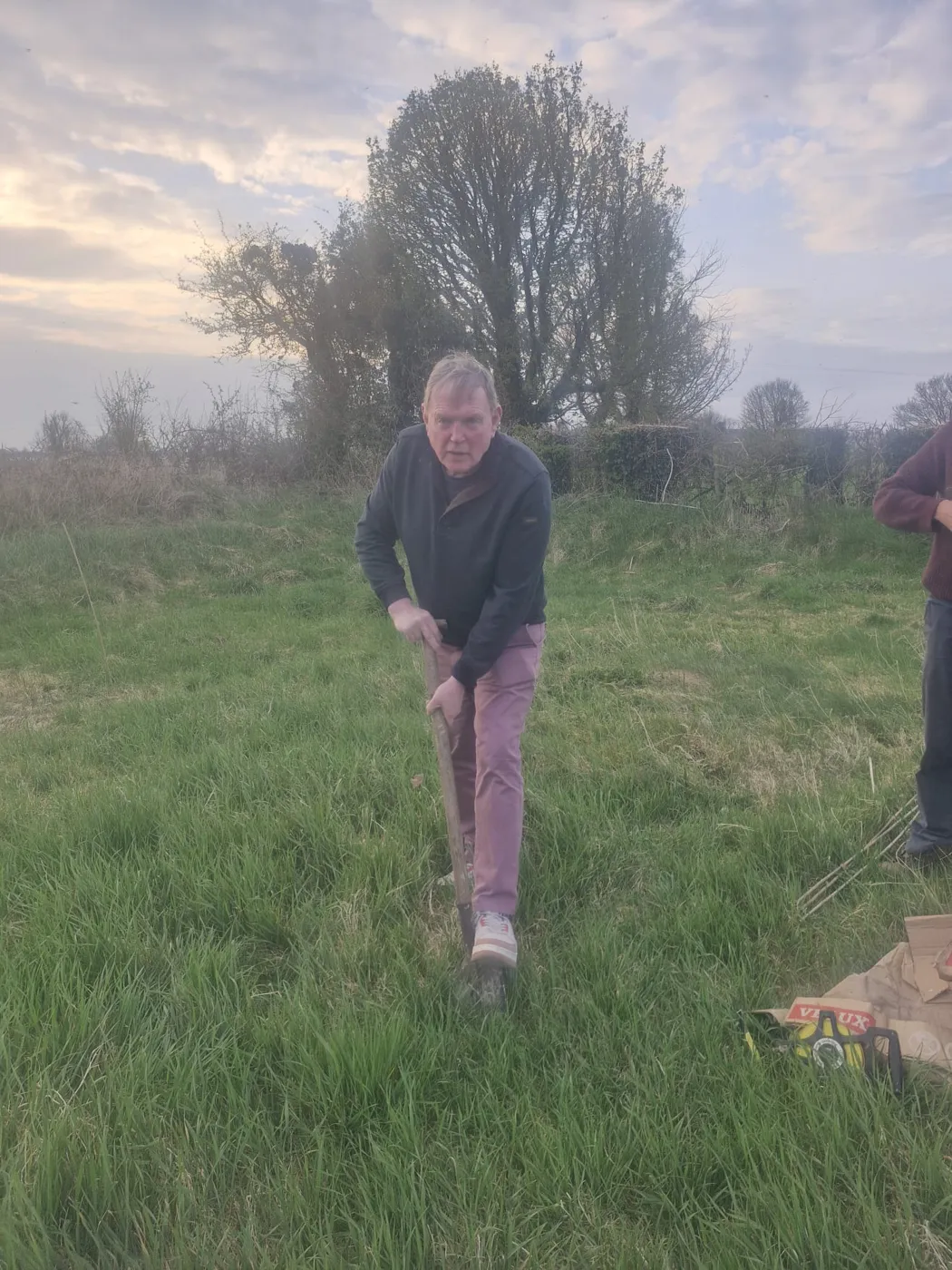
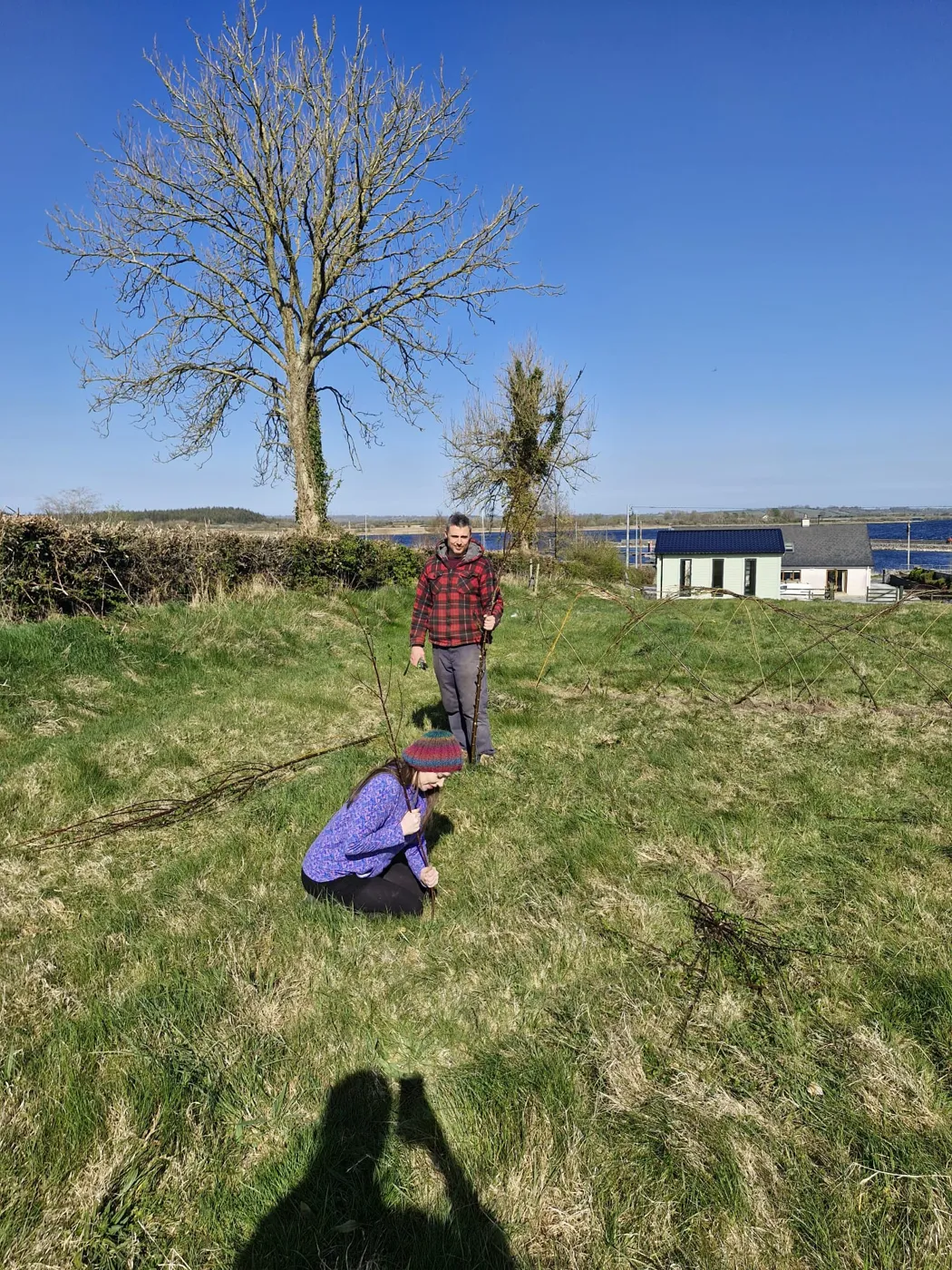
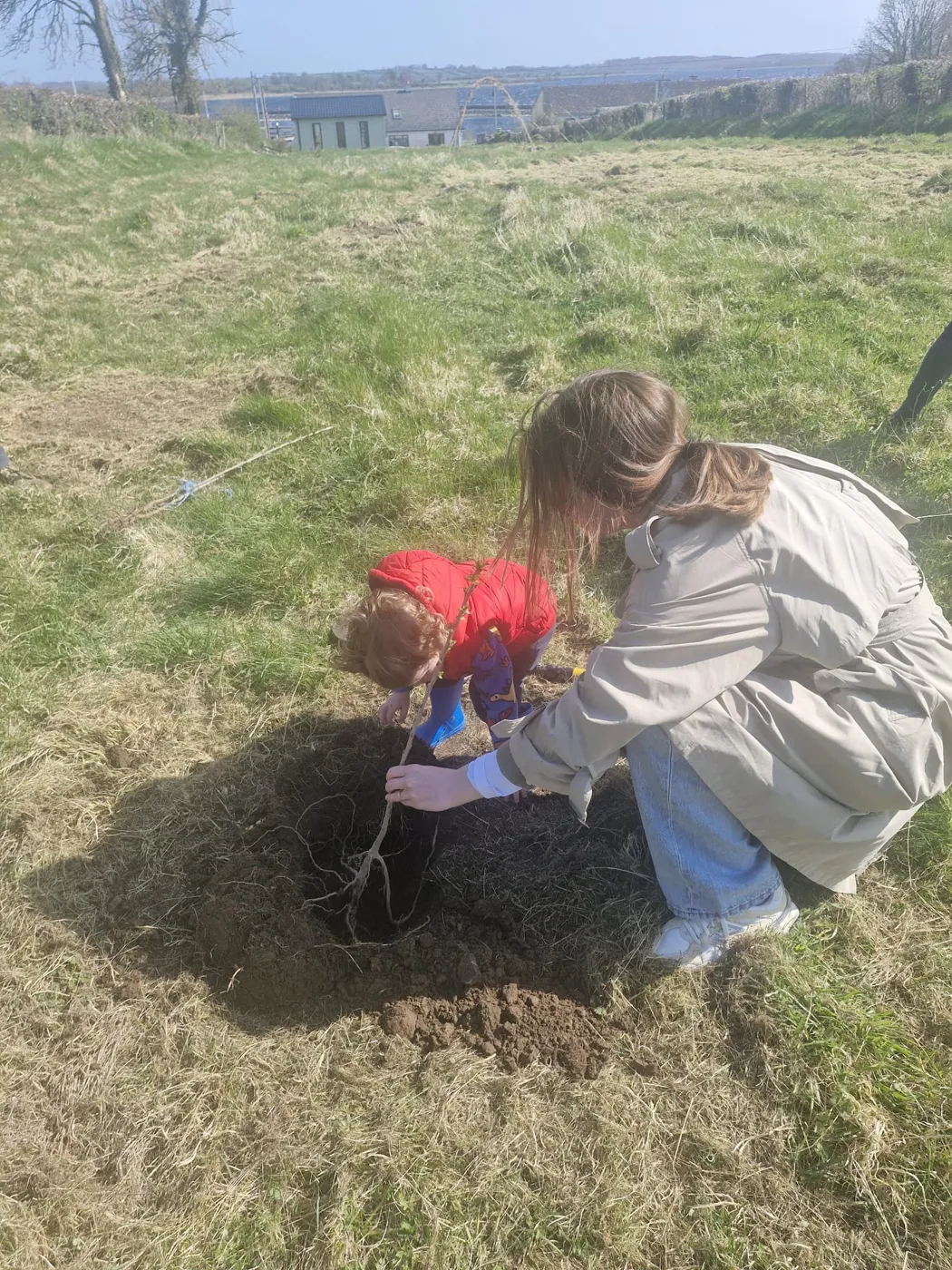
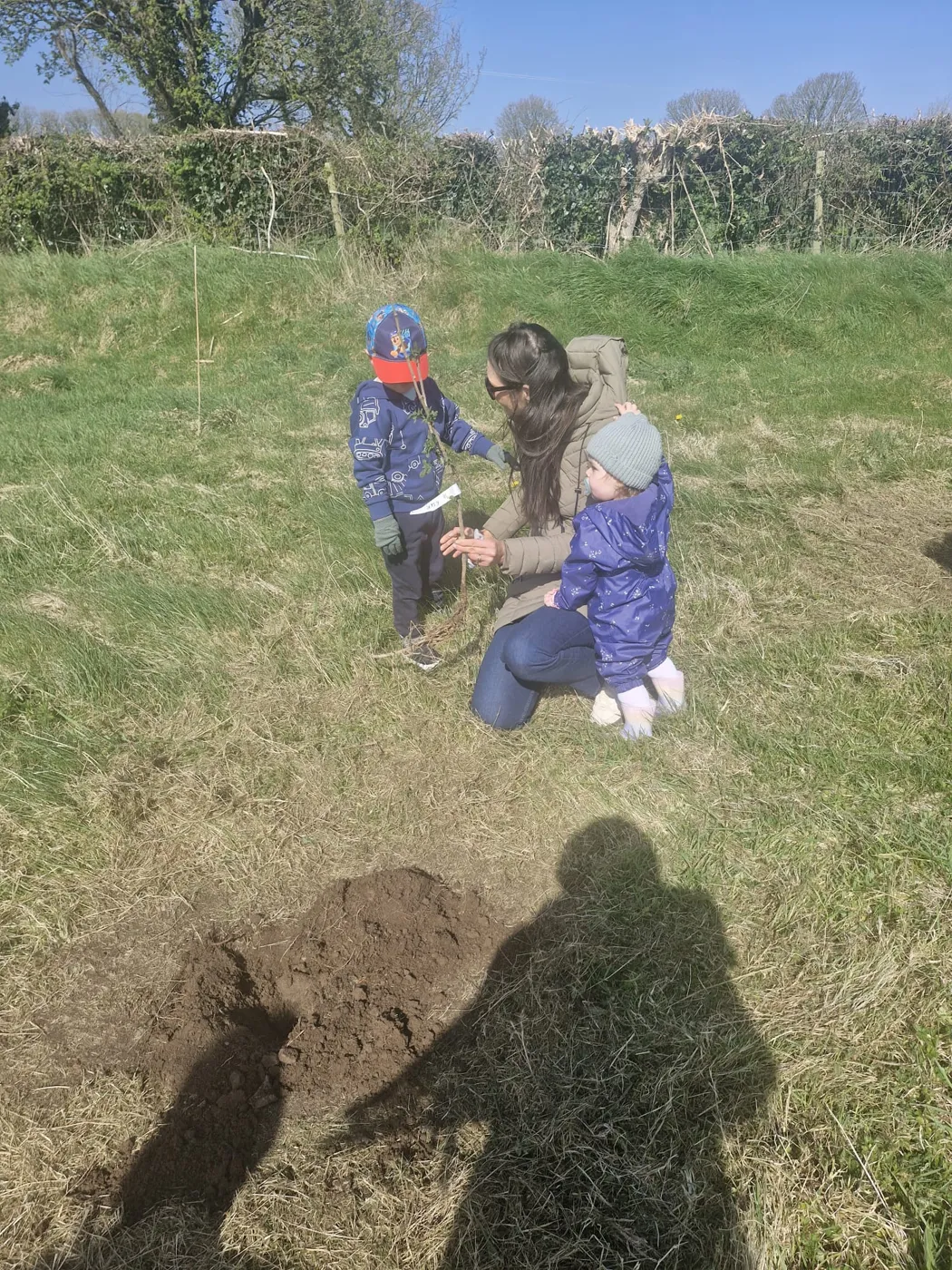
Step into the garden — its story and photographs
Planting, making space, paying attention.
The garden brings together native tree planting, space for wild plants and paths that allow people to spend time among them. It is an evolving place, shaped by care and by the life that finds its way in.
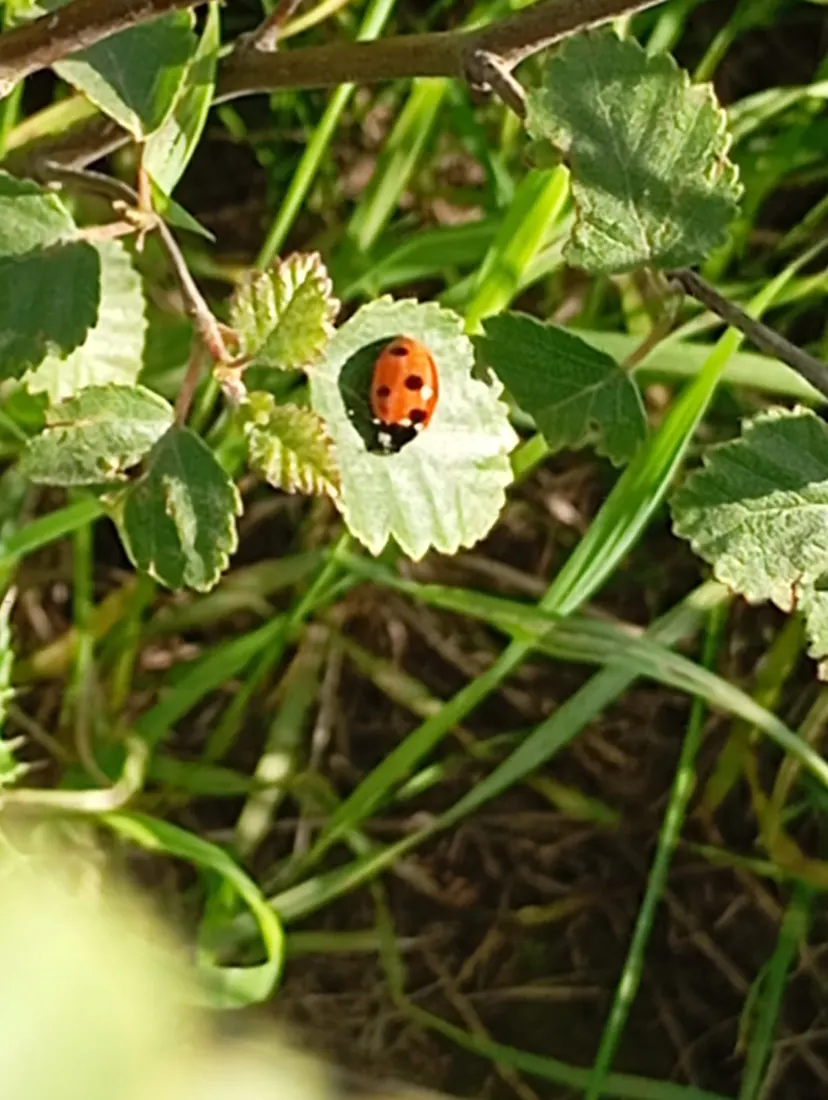
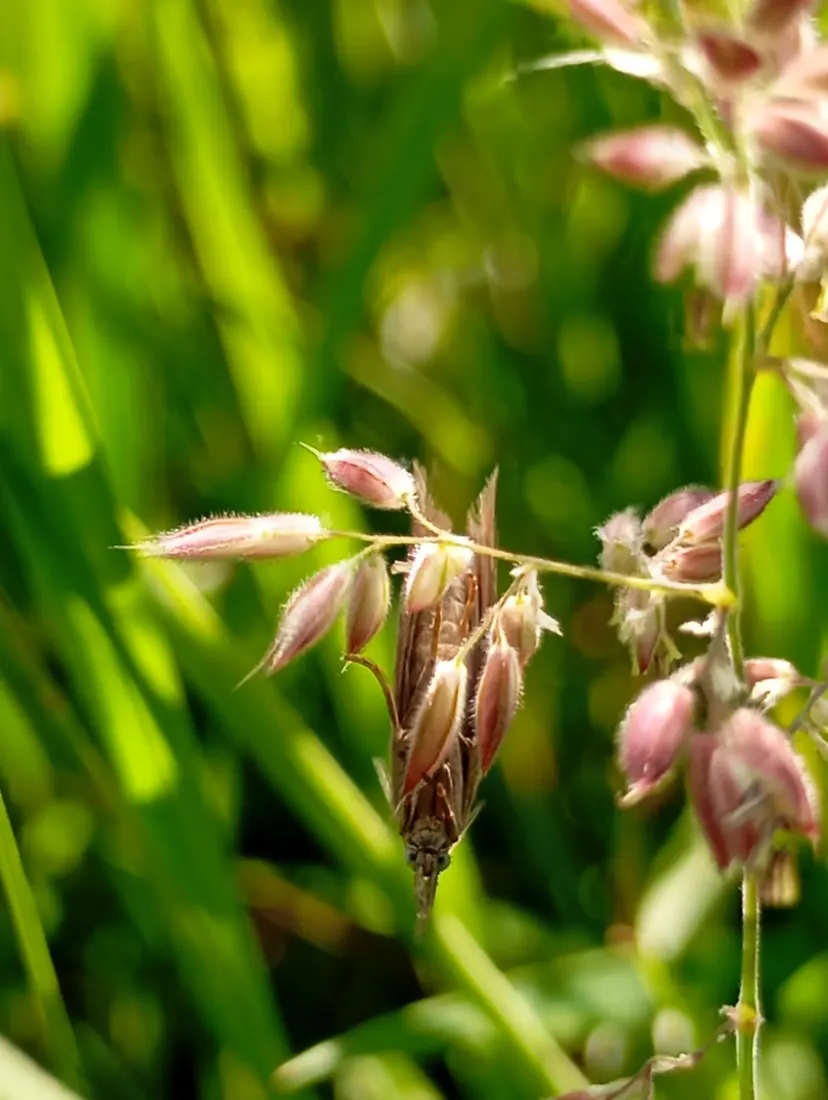
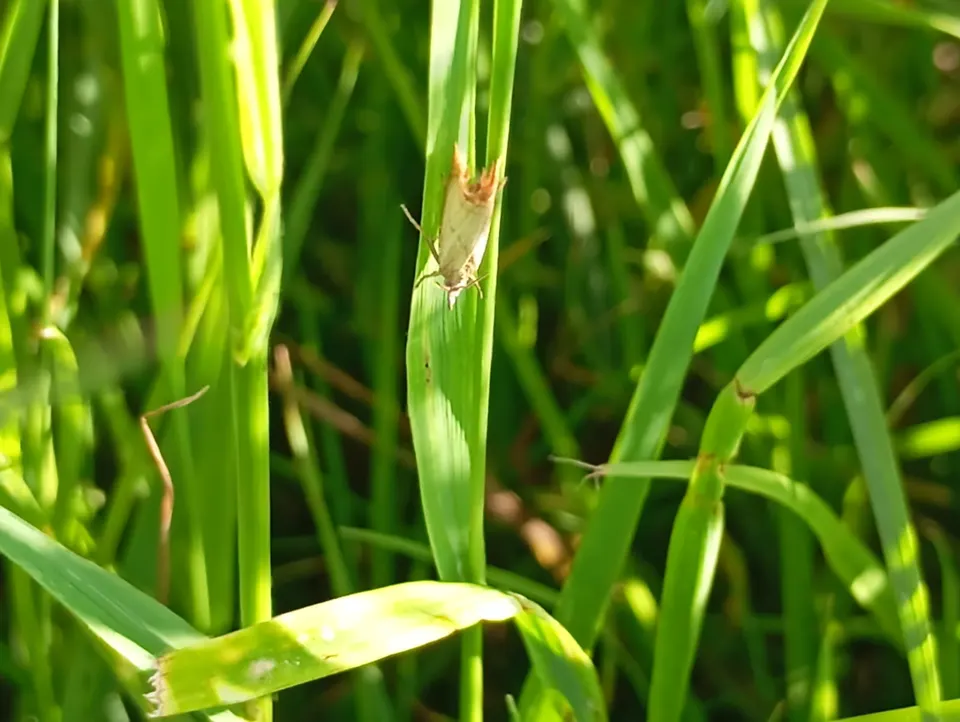
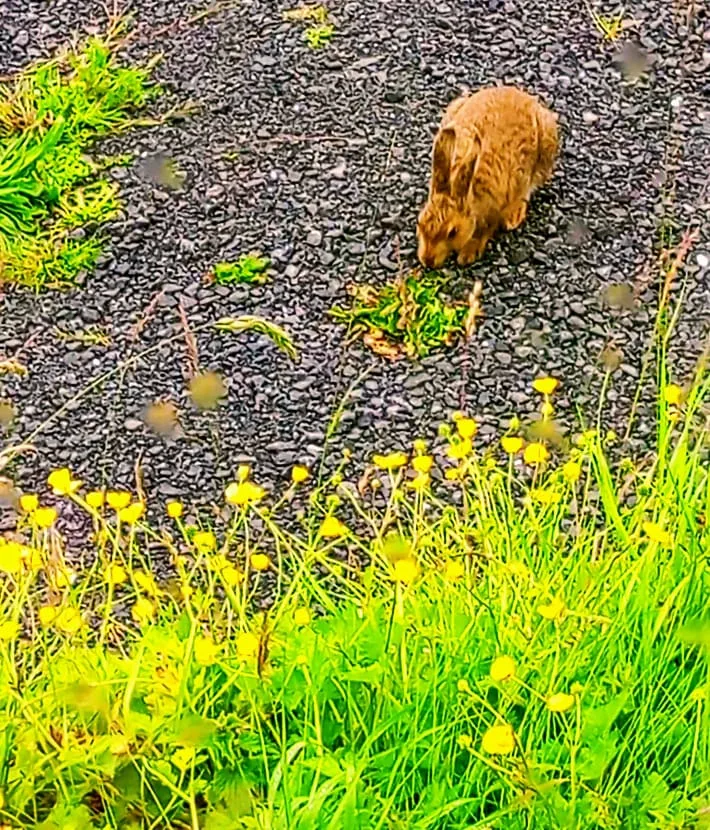
The photographs below are from Wild Heart Garden at Louise’s home: planting the young trees, and noticing the smaller lives among the grasses and leaves.
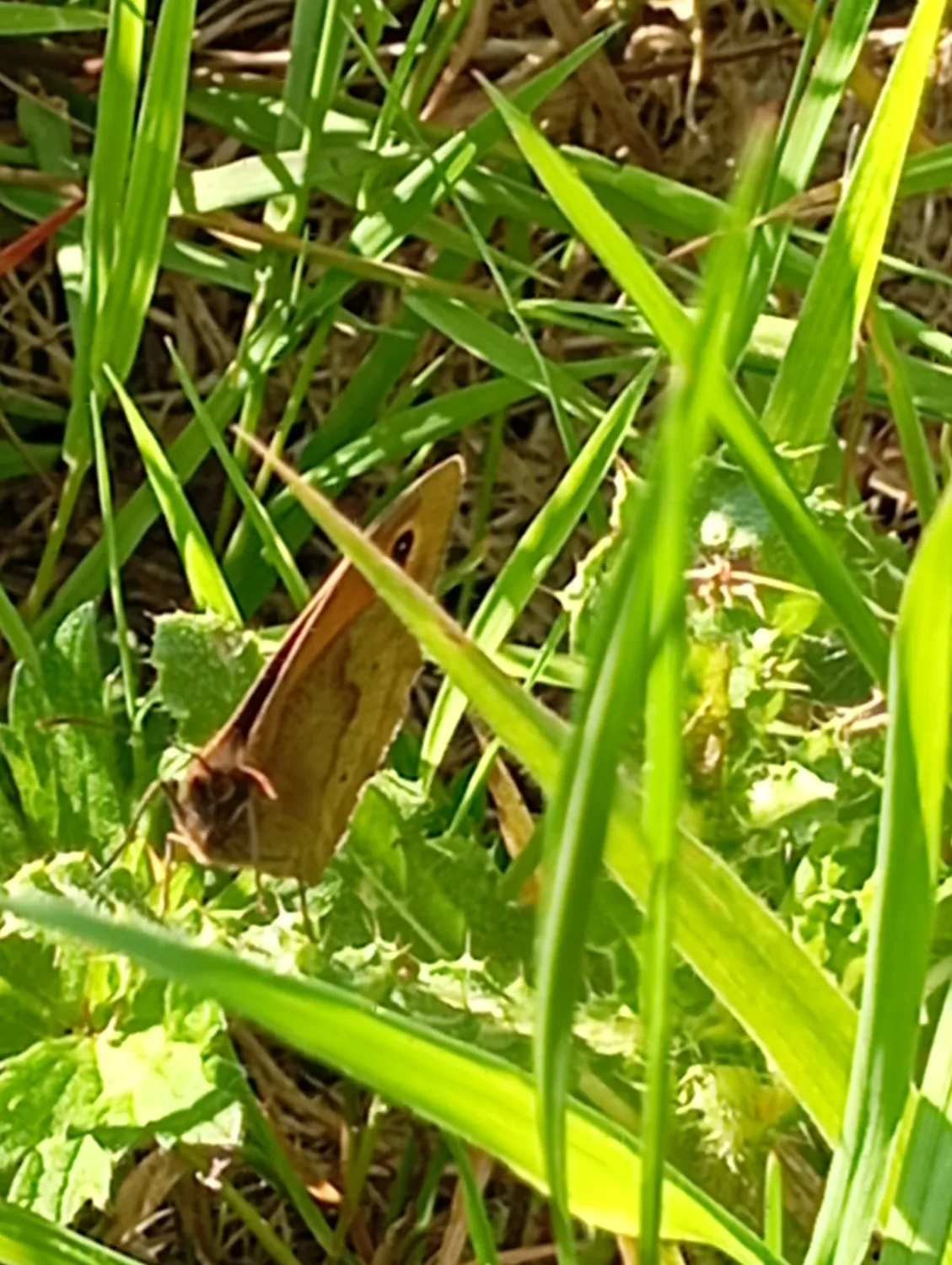
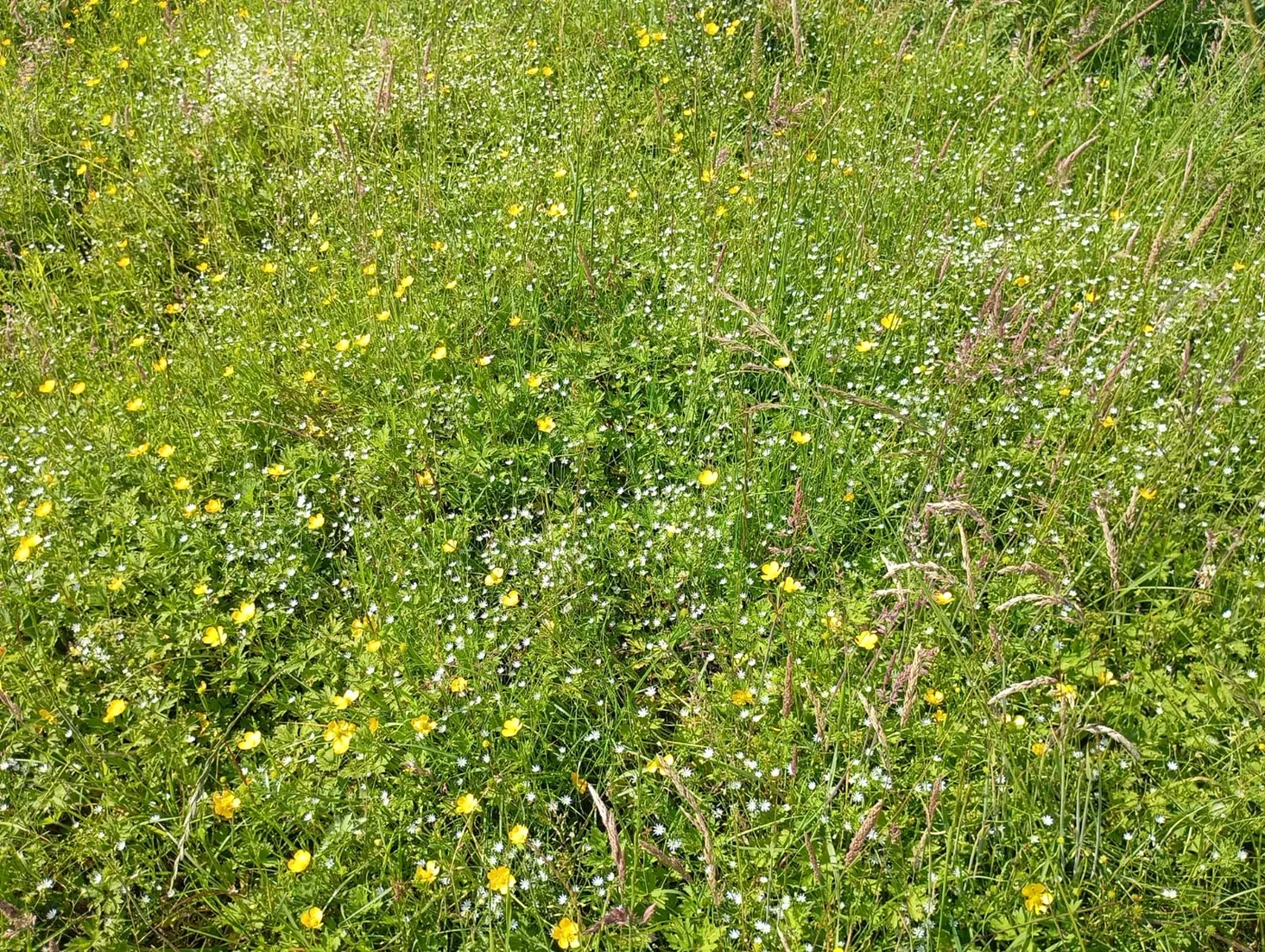
“We share this beautiful planet with millions of species. Each of these species is our kin.”
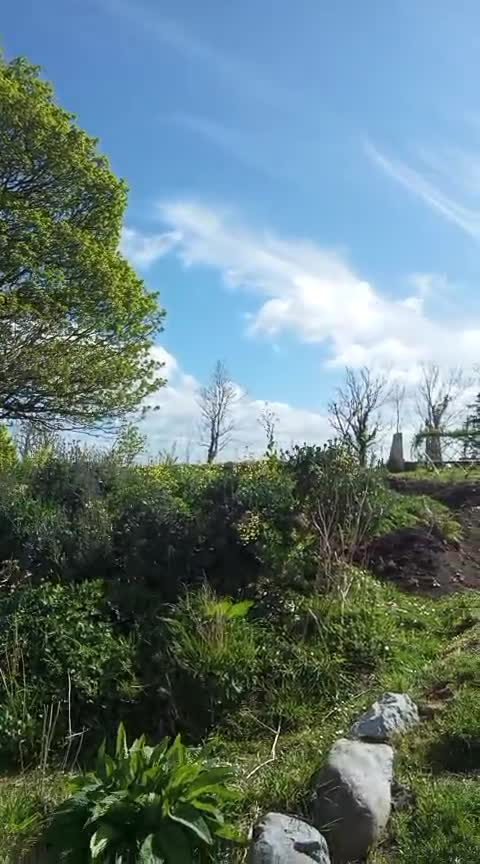 Watch · 5:08A wild garden after ten yearsA walk through a different garden, separate from Wild Heart Garden
A different garden · 5-minute film
A wild garden after ten years
A look around a different wild garden after ten years of growth.
5:08 · Video with sound
Growing together — the fifteen-year family garden
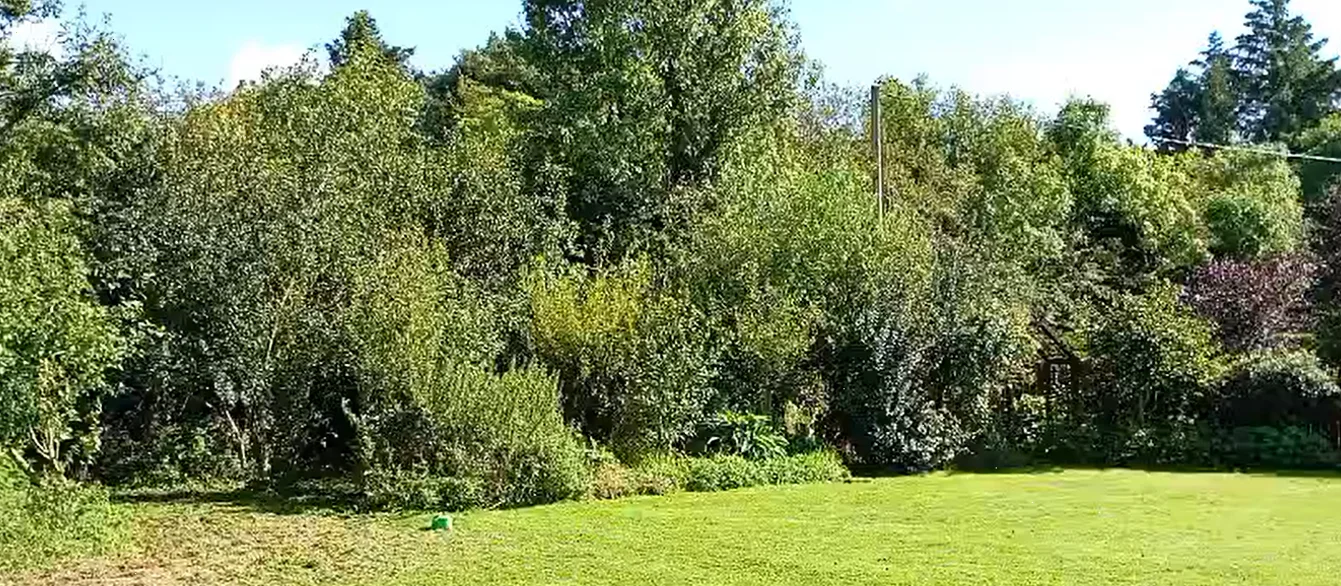
A garden created with my father
Fifteen years
of growing together.
At his parents’ home, Paul and his father created a wild garden combining fruit trees, native trees and wild plants. This photograph shows the garden after fifteen years of growth, making space for habitat alongside family life.
Making room for people and nature — cabin, woodwork & family camp
Sunyata Retreat Centre
A refuge in
the woodland.
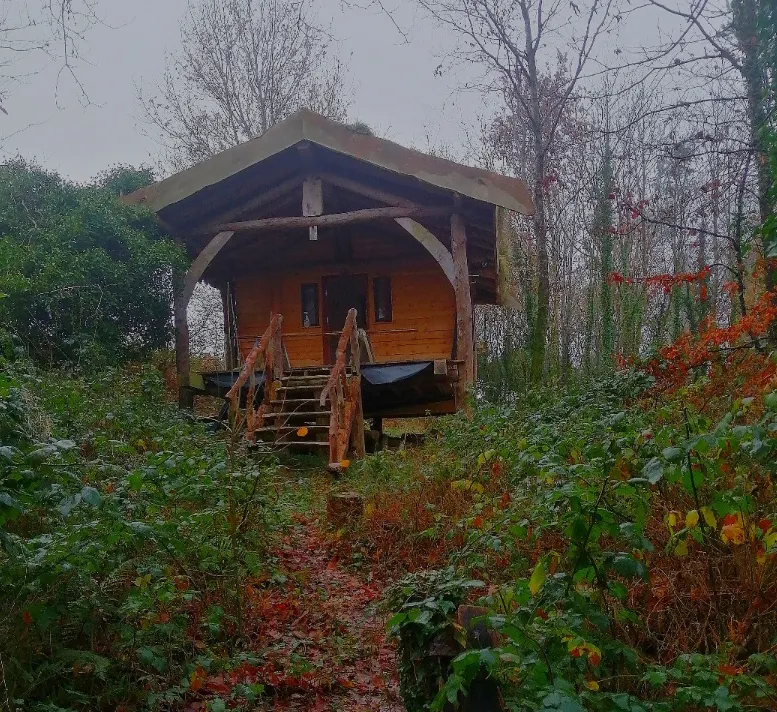
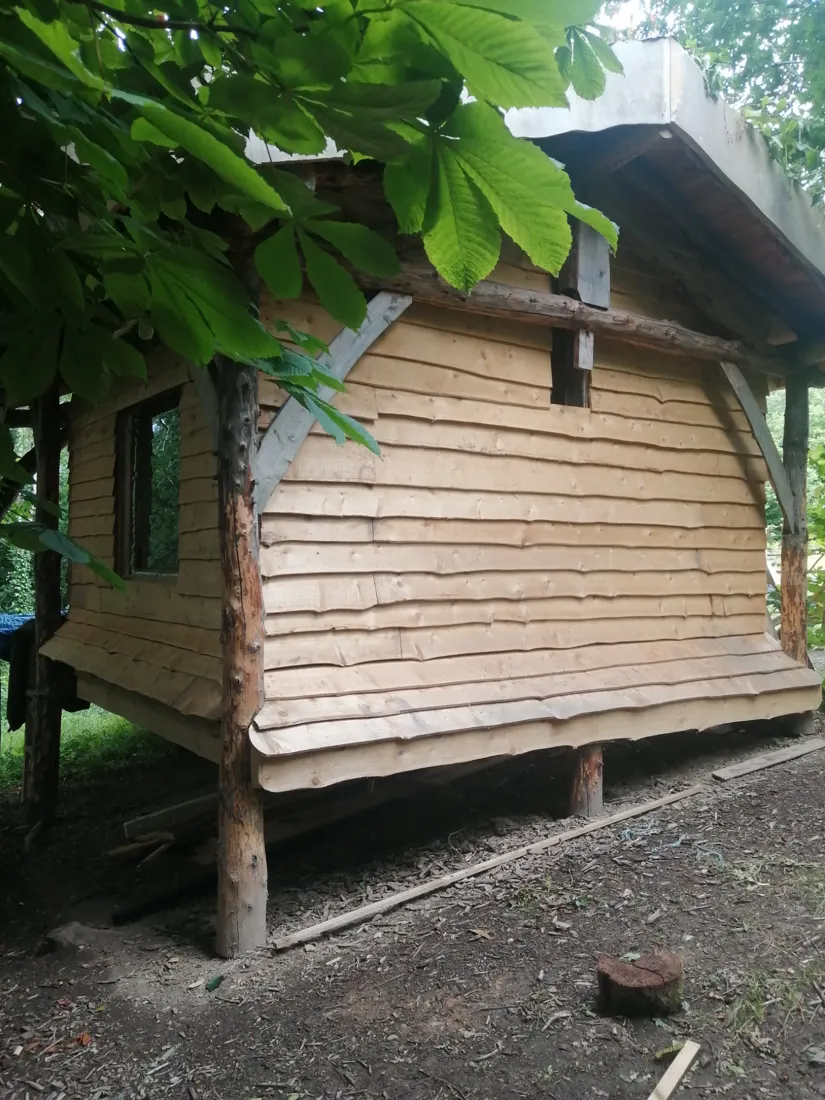
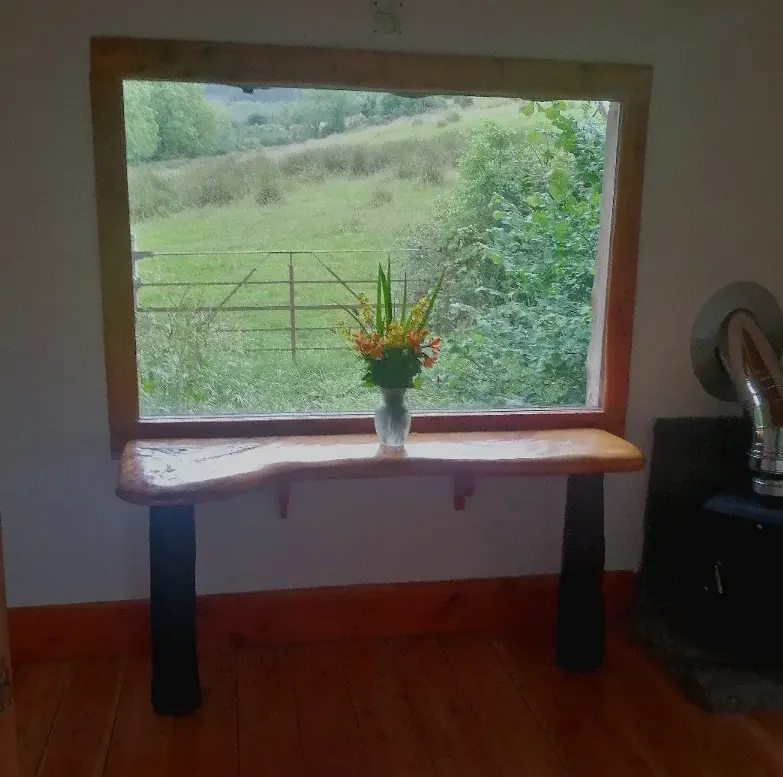
Over seven years, Paul project-managed the building of a cabin in the woods of Sunyata Retreat Centre. Made from natural materials, it was created with a simple intention: to offer a place where people could find refuge in the woodland.
Paul wrote The Woodland here, reflecting on belonging and our place within the living world.
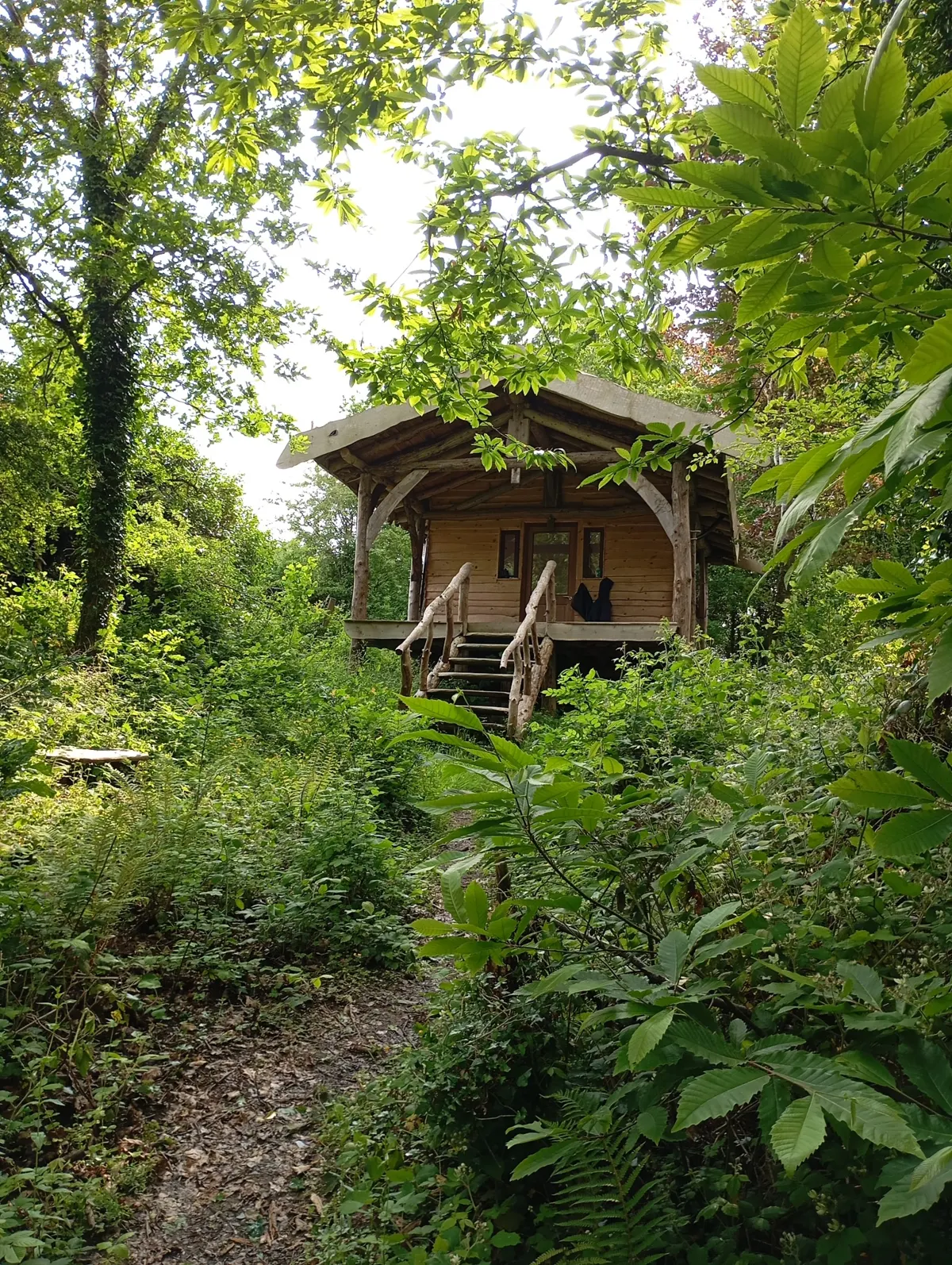
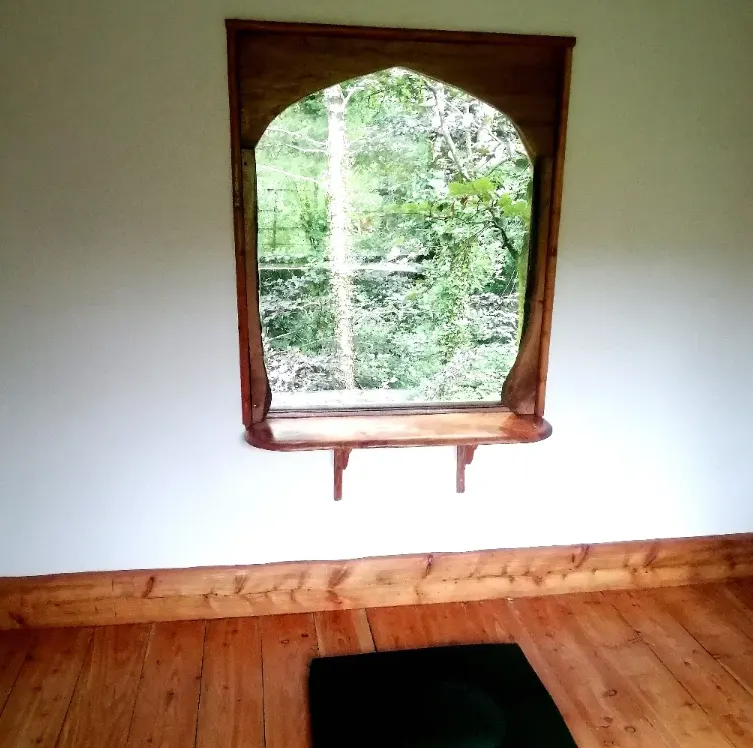
From timber frame to woodland refuge — view the photographs
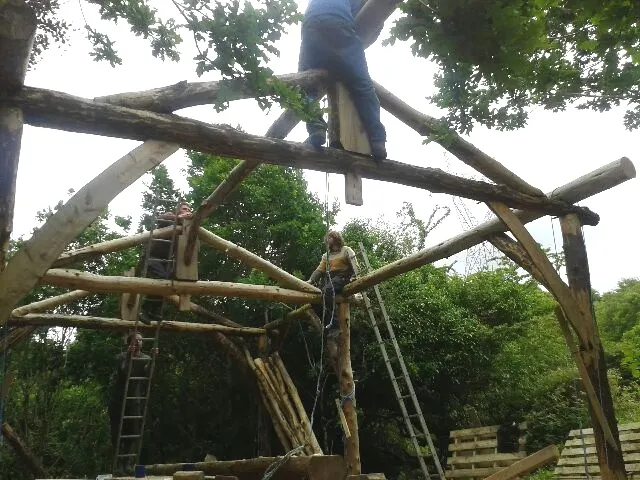
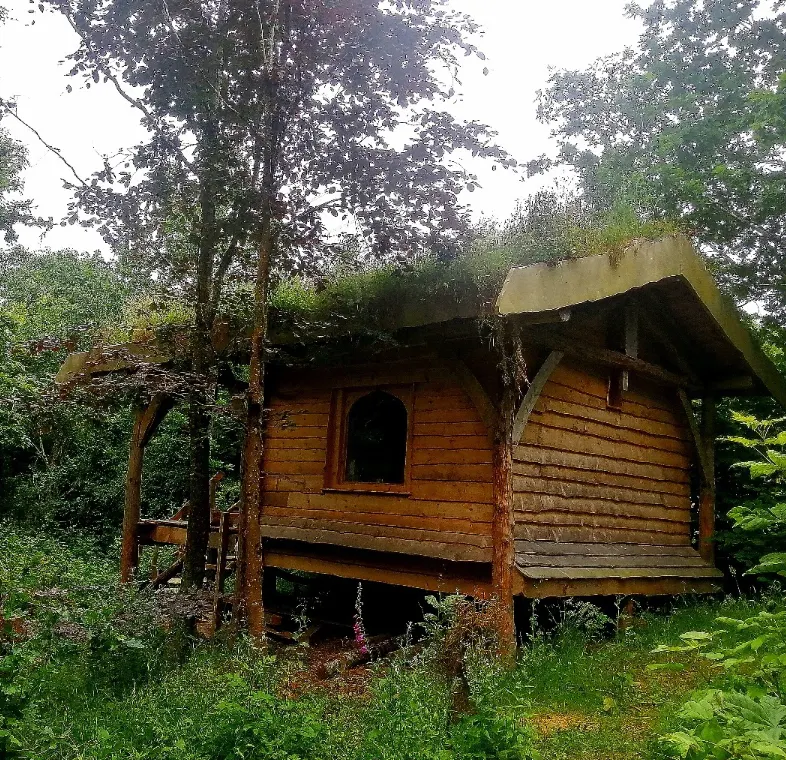
Other spaces Paul has helped create
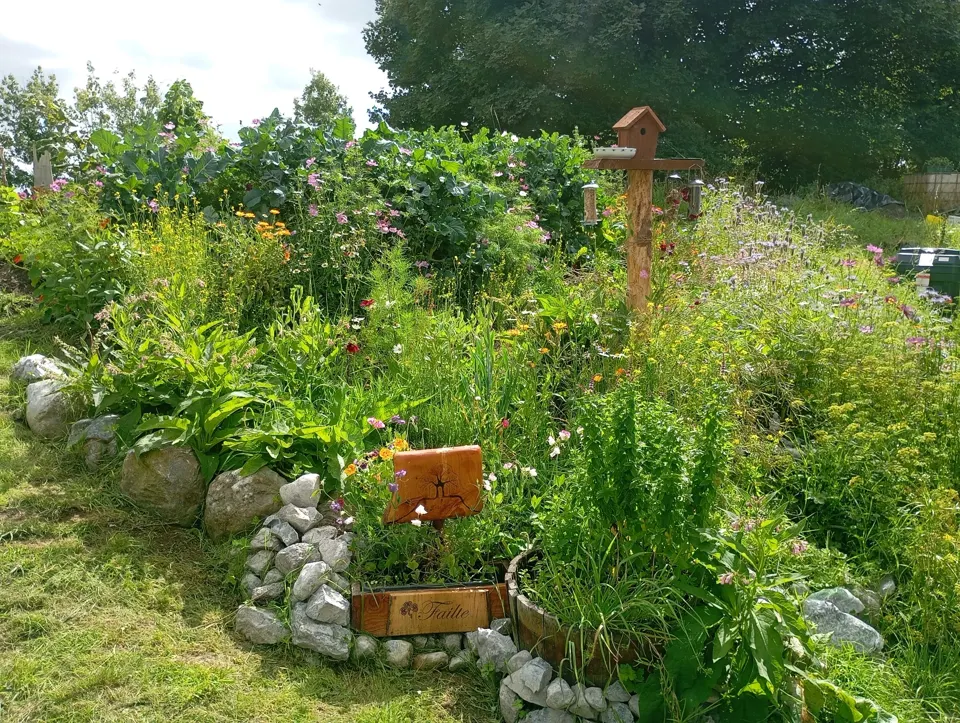
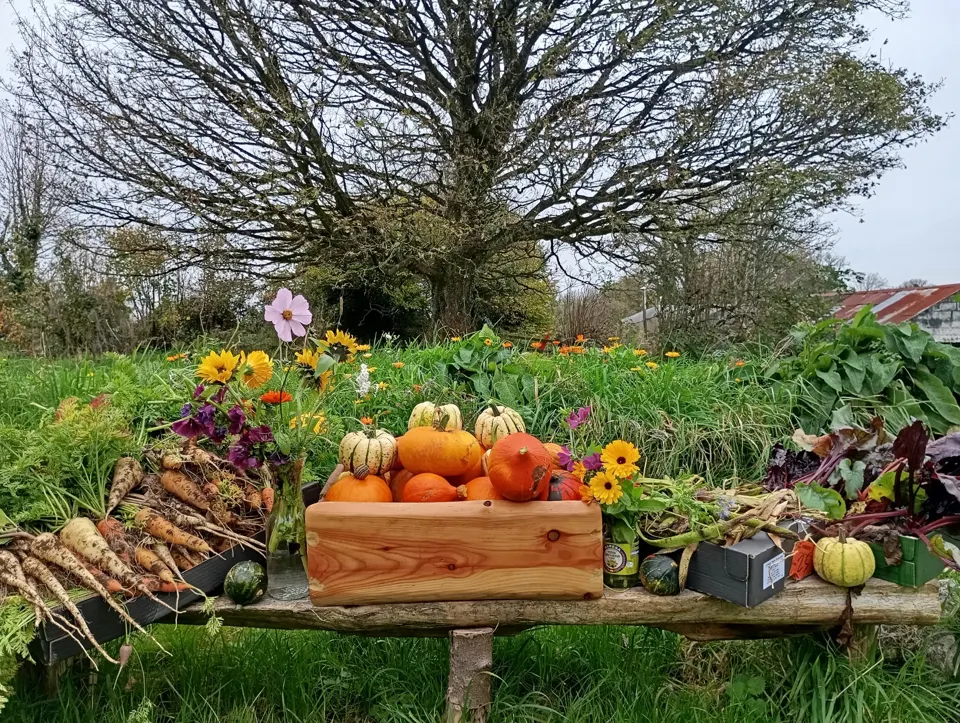
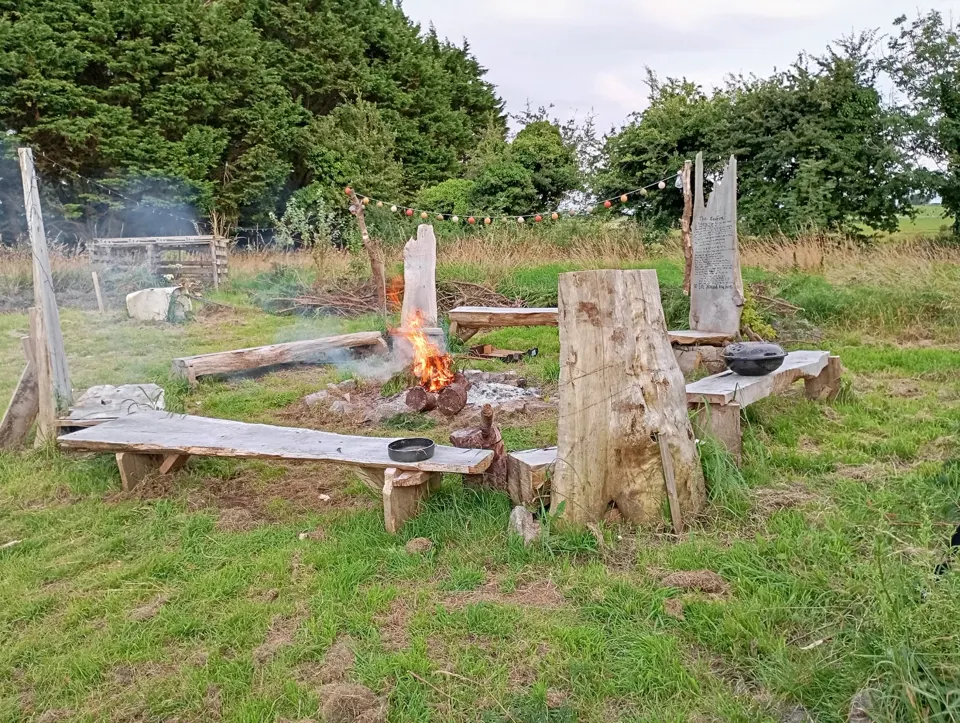
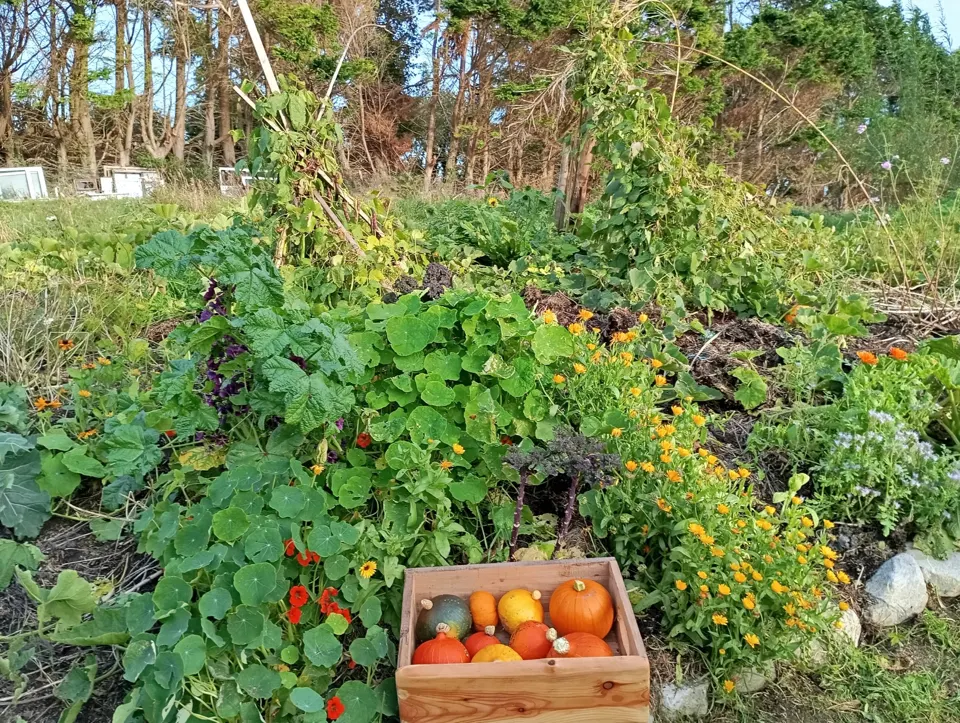
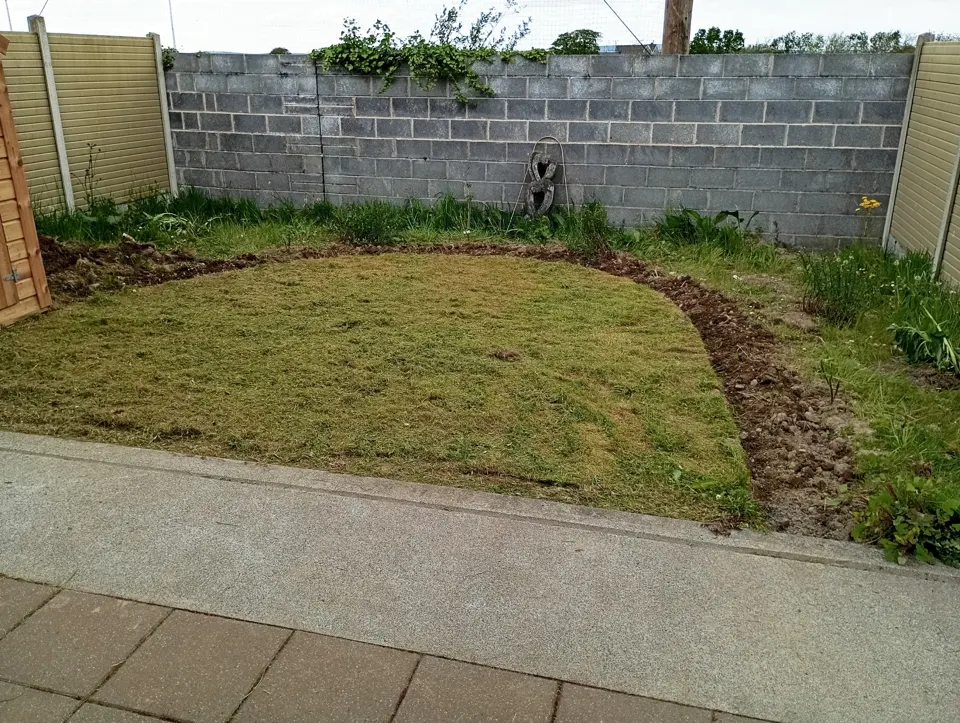
Places to grow, gather and be.
Gardens, gathering circles and quieter corners: practical expressions of a relationship with the natural world.
Explore more of these spaces
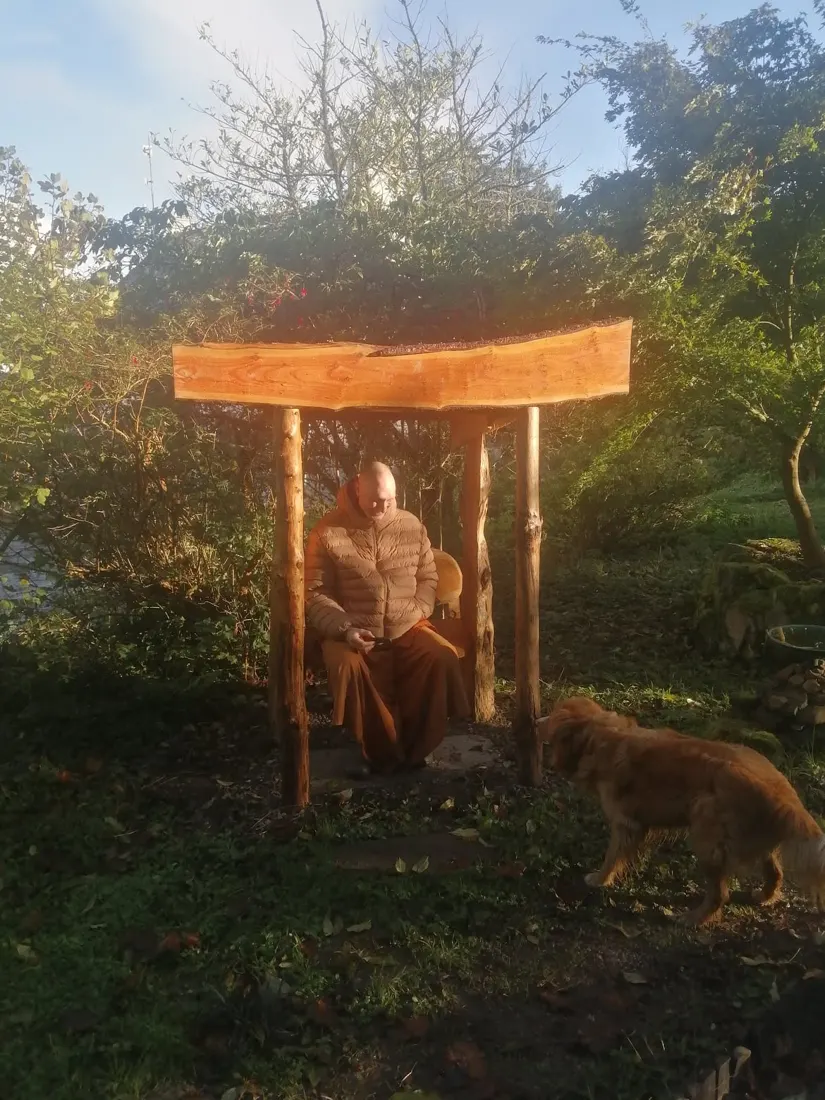
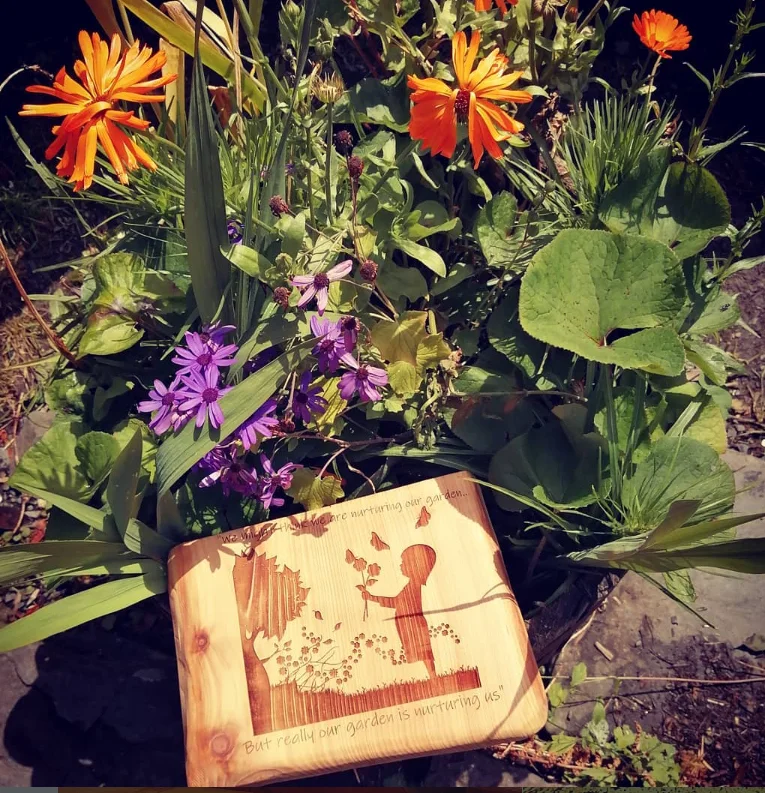
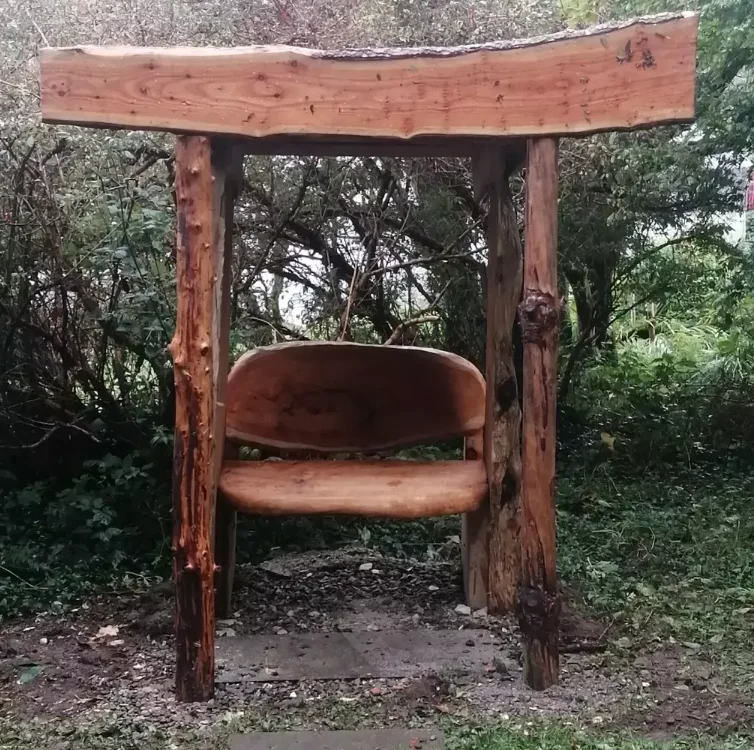
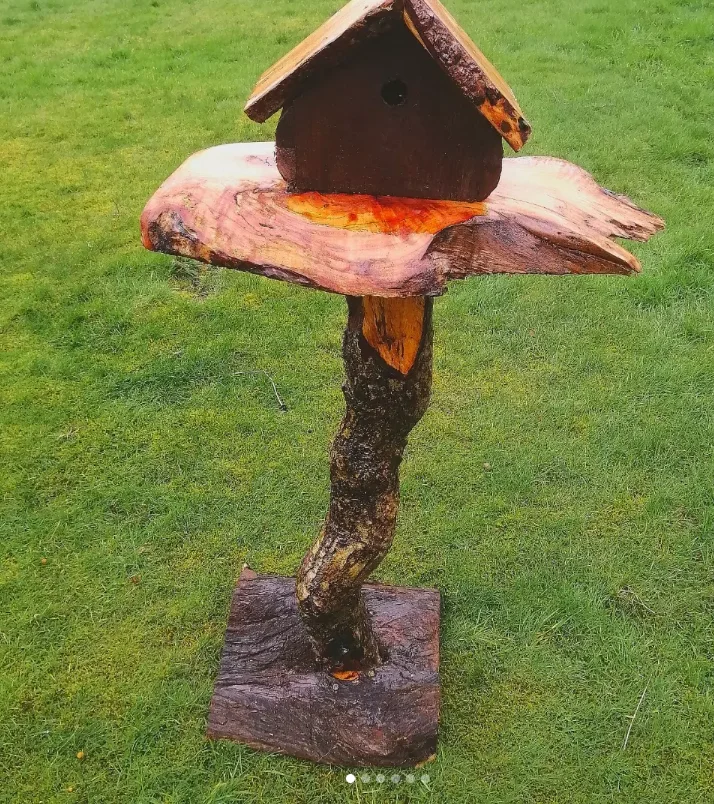
Making with care
Working with natural materials.
A seat for a Zen garden, a birdhouse and a wooden sign: pieces Paul has made to offer places to pause, shelter and connect.
Connection in everyday moments
Hands in the soil.
Learning together.
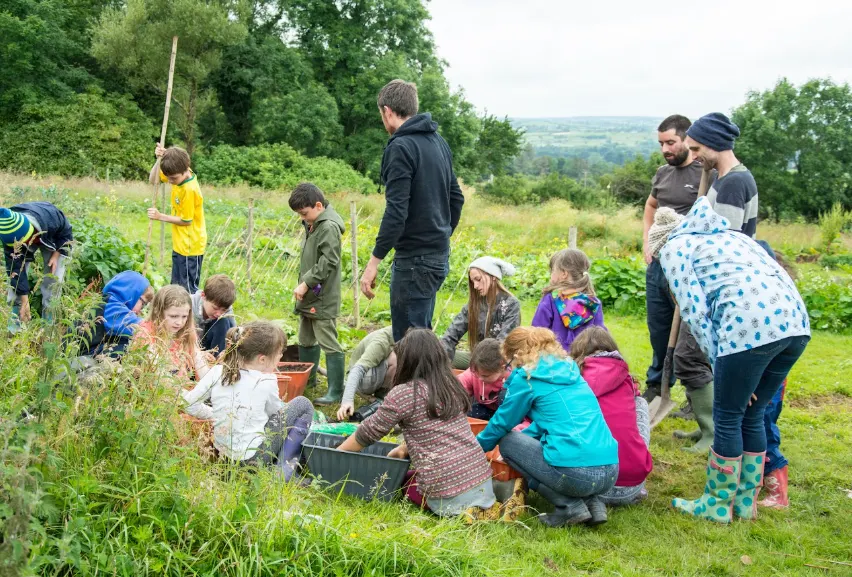
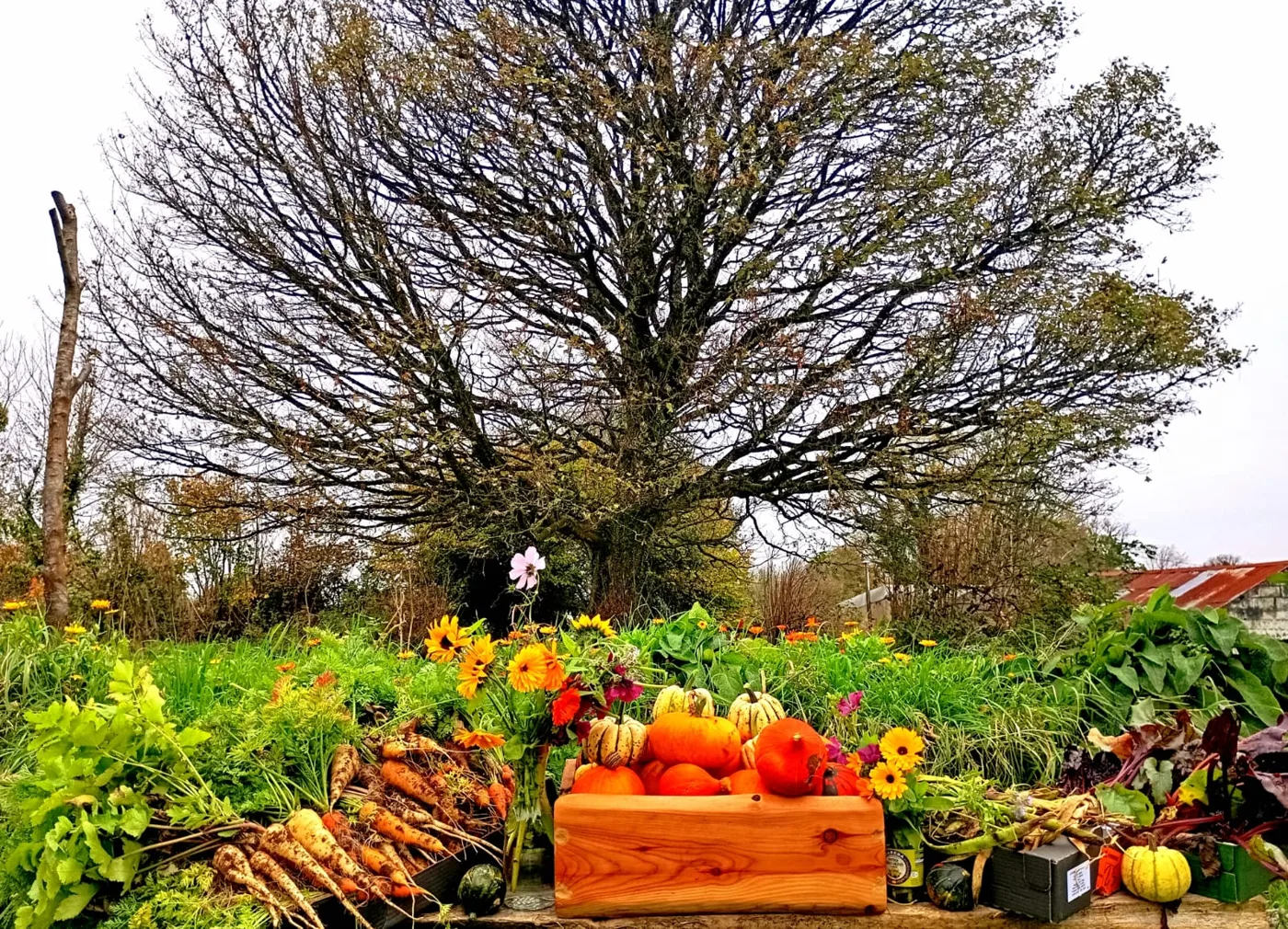
Digging spuds with children at family camp: a shared experience of growing, harvesting and discovering where food comes from.
Words from practice
Reflections & Writings
Stories, poems and reflections on presence, belonging and our relationship with the living world.
Read Remembering Connection on Substack ↗With the redwoods — coming home to the natural world
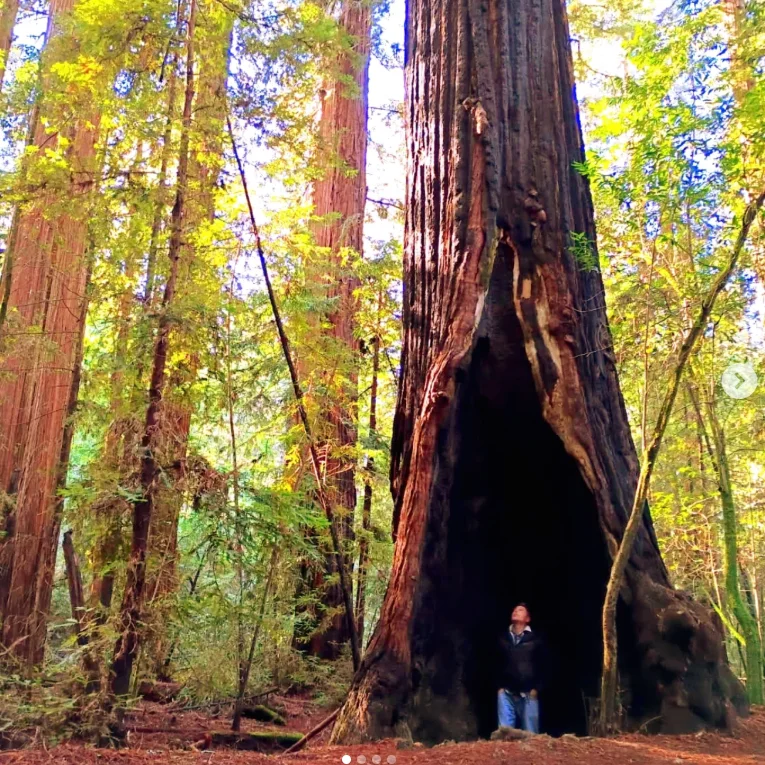
What does it mean to be connected to nature? Could it also mean a deeper connection with ourselves?
As a child I remember wandering a forest path at a place my family would go for outings. There was a path made from stumps and what seemed like enormous trees all around. Something about it felt magical, otherworldly, like a dream of imagination that I hadn’t created in my head but that was revealing itself around me, creating me, like I was the dream. Though I hadn’t the words to describe it, there was a sense of wonder, of possibility and inspiration, and a feeling of awe that there was something intangible and yet familiar. Like just behind what I could see as different forms was a thin veil where there was just layer after layer of aliveness, of beingness and oneness that I too belong to.
As years passed and the self-conscious concerns took over, I retreated more and more into the world of thoughts and perceptions and, as a result, felt much less of that magic and connection. As my sense of self developed and solidified, it seemed like there was only one thing certain: that I was here, stuck inside this body with a mind, and that everyone and everything else was out there, separate to me. That feeling began to dominate so much that it became a framework through which the whole world was interpreted. As if every thought and situation could only signal one thing, one emphasis that was always underlined: separate me over here and everything else out there. It was a frightening feeling, one where I felt there were things to figure out but I was so confused, that there were things to be afraid of and I could never be sure what.
Some years later, in my twenties, I began practising meditation. I was living in Korea at the time and sitting on the porch of the house I lived in, in the countryside, with wild forest and rice paddies all around. There was a storm with heavy rain, and I was just sitting there with my eyes closed. I went inside to take a break or get something, and when I came out there was a frog sitting on the chair that I had left. The wonder of it took me over in that moment, like something was reaching out to me from outside as I reached into myself. To let me know it was okay, that I belonged here, that I was in the right place. As if going inward meant also connecting with that which appears to be outside.
That feeling, though not with me in every moment, has also never fully gone away. The sense that connecting with my own beingness, the aliveness that lives in me, was the same as connecting with the trees and the birds and everything else, everyone else, until at times it was difficult to discern where inside ended and outside began. The belongingness came as such a wave of relief in that moment that I’ll never forget it. Like I was glimpsing back into a truth I had seen as a child. There was nothing to be afraid of, as everything, everywhere is made of this same beingness and aliveness as me, not different and not separate.
That is one of the reasons that I believe meditation and mindfulness practice hold some of the keys to help human beings heal their relationship with the natural world. It is in remembering who we are that we are able to remember that we belong, that this earth is not a foreign landscape but the place where our ancestors lived and our bones and sinews and blood and DNA have formed, and that every living creature is our kin. One with us through the ages, our companions, our friends and adversaries, our relatives, and above all sharing our aliveness.
The preciousness of this as a gift feels even more relevant in today’s world than when I was a child. It’s something that we have to work more at to recognise in one way, and yet in another way it is always just an arm’s reach away, or just a mind’s intention away: the intention to come home. To come home to this moment means to come home to the body and the earth. The earth is our larger body.
I believe that these practices can help each of us not only to heal our relationship with ourselves, but also with each other and the planet. How can we hope to do anything in life if we don’t even know who we truly are? That must be a starting point: the remembering. When we learn to listen and sit, to be with how we are and how the world around us is, we recognise that these thoughts and emotions and sensations are movements of the earth and belong to nature itself more than they belong to me or you. They are movements of nature, arising and ceasing according to conditioning, finding their way like rivers that rise before meandering to the ocean, in their own time. We learn to be with experience as it is in meditation instead of taking it so personally, striving to get rid of or hold on to that whose nature is to arise and cease in its own time.
For each of us there is a calling that we have on the earth according to our own nature, and to find that we have to first go within. It’s not always about grand gestures or making the whole world right. Sometimes it’s just the intention to hold the moment as it is, to feel the feet on the ground, to put your ear to a tree and listen. Listen as intently as you would to the thinking mind, with the same kind of reverence and care and belief that it’s going to give you an answer. Maybe the answer comes in a different form than words though, up through the roots and into the fibre of your bones. Maybe it comes in the form of the nervous system recalibrating gently back to homeostasis, no longer caught in the “what next” mind but imbued with the qualities of a tree. The knowing that the millennia are passing by slowly and the seasons are changing and we are all in an endless cycle of emerging as seeds in the Spring and returning to the earth when our final Winter has passed. So what really, when you look at it, is there to be so stressed about? Isn’t it all just nature unfolding and unravelling according to the season? Do you not belong here as you are in this moment?
Paul McNamee
Read “Love is a wild thing”
Love is a wild thing Like a maze of thorny brambles in some far-flung forgotten field They grow through each other, entangled into one As the wild heart of nature lays claim to the temporary order And just below the surface lie layers and layers of hidden mysteries Nature is alive within itself and knows itself to Be Through the forms of tiny beings who buzz and hum and patter Their eyes alight to the possibilities of their noble calling To be encountered and known is the sacred promise of this moment. Where death and life dance as one. The bird song drifts out through the spaces Where broken branches are reformed into homes The act and intention of love These thorns and their berries protect and nourish The still heart expands and contracts in the ebb and flow of endless bliss Each movement whispering an invitation Come inside and explore
Read “The Naturalness of Being”
Often when we approach mindfulness or meditation, we do so from the tendency to want to be something that we believe we aren’t. However, instead of starting from an idea or concept of ourselves that we are not mindful and need to become a mindful person, we can explore bringing our attention to the natural state of being and awareness that is always here and accessible in this moment. This can be summed up in the reflective question ‘What’s already here’? Therefore, we are learning to see practice as a movement of interest towards what is already here in this moment rather than something that we do now to become peaceful or ‘better’ in the future. However, to do this we need to begin to gain perspective on the mental frames, beliefs or attitudes that are already arising in the mind that are framing how we see life and may be preventing us from noticing this natural state of being.
The Shift from Doing to Being
One of the most challenging aspects of mindfulness is to find ways to work with the habits of our thinking mind and the frames we tend to put over experience that condition how we see ourselves and the world.
One such frame emerges from the tendency to be busily engaged with tasks and actions that revolve around ‘me’ and ‘getting things done’ and the actions that we need to take to keep our lives running smoothly. At the centre of all of this is often the sense of ourselves and things in general not being how they should be.
Therefore, over time a sense of being the ‘doer’ of life becomes a conditioned way of relating to all experiences. So much so that when we practise meditation, we can see ourselves as the ‘doer’ of ‘awareness’ or even the ‘doer’ of ‘being’. This is the perception that we are trying to bring attention to and question.
Is ‘being’ something that we do? Or is it a natural state of presence that goes overlooked as the mind is engaged with beliefs, preoccupations and perceptions?
This frame if not seen for what it is, can act both as a distraction with thoughts such as ‘’There are more important things I need to be doing than sitting here doing nothing’’ and as a self-judgement ‘’Oh my mind has been wandering, I’ll never be able to do this mindfulness thing right’’. Beneath all these beliefs is the subtle perception that mindfulness and presence is about getting somewhere or getting something done - ‘I’m getting my practice done so that I’ll be peaceful’’.
The difficulty with approaching meditation from this position is that it creates a perception about being and presence that it is something to do with personal effort and time and not a natural and always accessible reality of this very moment.
Ironically this can place the present moment as being about the past and the future. That I must practise now to be more present in the future or I should have practised more in the past to be more present now.
However, if we investigate this frame, we being to question: How could being in this moment be dependent on the past and the future?
If we try to think about meditation practice as this or that, we're creating an image that we're trying to realise, rather than just trusting in the attentiveness of the mind, in mindfulness; letting go of the desire to find or grasp anything……There is still consciousness, sensitivity, but it's not seen in terms of being a person… there is just awareness of what is happening - what the feeling is, the mood, the atmosphere that one is experiencing in this moment. We can call this intuitive awareness. It is not programmed and conditioned by thought or memory or perception. Ajahn Sumedho
So how do we work with this process?
Firstly, we establish an attitude of noticing what is already here in the mind. For example, if it is present in the mind we can bring awareness to this tendency to want to do or achieve and see it as a conditioned thinking pattern arising and ceasing rather than to fight against it.
Instead of trying to stop anything, get anything or become anything we practise bringing the attention to the natural awareness of the moment to what is present as it is and not so we can change it. Then we gradually and kindly shift the focus and attention away from the frames of perception and towards the natural expression of the heart/ body/mind in the present moment.
Noticing Being Itself
As we continue this process we can even go one step further back and begin to notice the awareness itself. Is being always here? Is awareness always here? Can we notice what it feels like to bring attention to this sense of open knowing. What better way to receive the beauty and wonder of this moment?
Open the original PDF ↗Read “The Woodland”
We are not separate from nature In fact, these thoughts, emotions, sensations and even this breath and body belong to it no less than the leaves and the trees The flowers of the woodland floor This great sorrow comes simply from one thought: I am separate. The oneness of all is like a cascading river And this self like a leaf floating on it’s surface Destined to be submerged willingly or unwillingly Into the Great Flow I often ask myself: What to do with this life? I often wonder who I am and no answer ever seems to ring true I know the taste of truth because it’s deep within my being And the falsehoods I can no longer stomach The Great Mystery The Unknown The Sublime The Undescribed The Woodland. Such words come close for me I’m destined to make no sense of course To be a traveller that never settles or knows Never finds the words to express this love Such is the lot of a leaf As it travels this great cascading river
Allowing the Wild Heart
Meeting thoughts, emotions and sensations as part of nature.
“In this moment, everything belongs.”
Explore the reflection and practice ↓Pause & practise
Guided Meditations
Make a little space to listen. Guided audio practices with Paul to support presence and explore your connection with the living world.
Continue exploring
Other Resources
Practices, reflections and further reading to accompany your time in nature. Open a practice here or download the notes to return to later.
Explore practice notes & other resources
Practice notes
From Doing to Being
Returning to the senses with kindness, letting attention settle into direct experience.
Explore the practice
- Establish an attitude of attention and kindness in the mind.
- Connect with the feeling of your feet touching the earth and the support of the ground below.
- Walk slowly, or take a posture that is accessible for you, noticing contact with the ground.
- Meet the wandering mind with kindness, seeing it as part of the internal ecosystem. Gently return to the sensation of the feet.
- Begin to connect with the senses. What can you feel, touch, taste, smell and hear?
- Gently bring attention away from the story of what is happening and back to the direct experience of the senses.
Practice notes
The Internal Ecosystem
Connecting to the felt sense of the body, with curiosity about sensation, emotion and aliveness.
Explore the practice
- Connect to the feet touching the ground and the senses.
- Notice the body internally through sensations, energy and emotion, and externally through the sensations on the skin and the senses.
- Experiment with narrowing attention to one area, such as the feet, breath or an emotion, then widening attention to the whole body.
- Explore a direct sense of aliveness. What does aliveness feel like in this moment?
- Direct attention away from the story or interpretation and towards the vibrancy of sensing the body as alive.
- Offer kindness and compassion, gently encouraging the mind to engage with this felt expression.
- Observe internally and externally with the same attitude of awareness, recognising both the internal and external ecosystem.
Practice notes
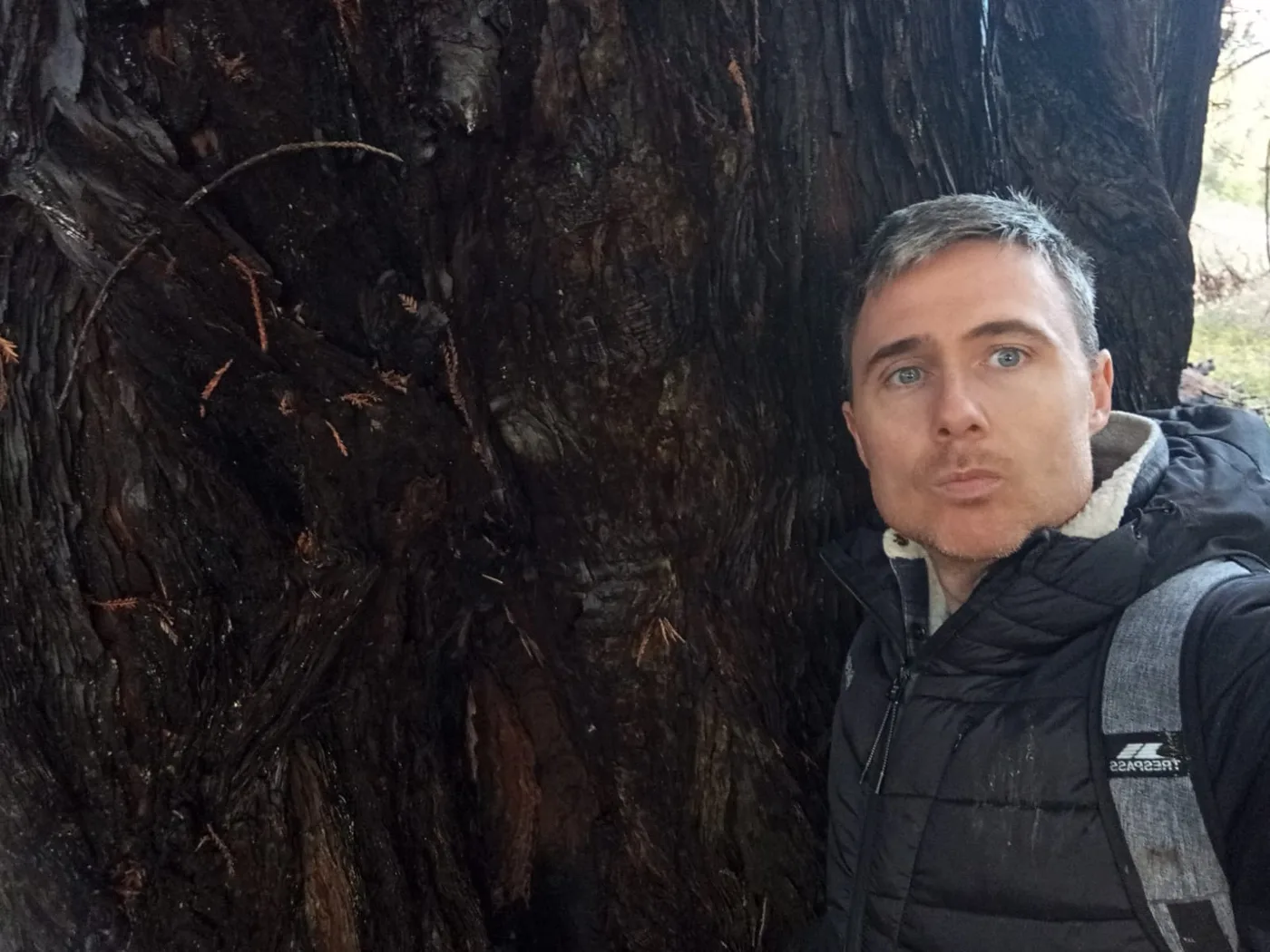
Listening to the Trees
A practice of approaching a tree with respect and attending to the felt experience of the encounter.
Explore the practice
- Establish a sense of groundedness through the feet touching the ground and the senses.
- Walk a few steps, noticing the feet touching the ground.
- Choose a tree you feel drawn to and would like to approach.
- Pause ten paces away and take it in with all of the senses.
- Continue approaching, feeling your feet touching the ground.
- When close, pause before touching the tree. With an attitude of respect, introduce yourself.
- Ask for permission to touch the tree.
- When it feels comfortable, put your ear against it as if listening.
- Listen as if talking to a close friend or receiving important advice.
- Direct attention away from thinking and towards the felt expression of the body.
- Move attention away from the story of what you are doing and towards what you can feel in the body.
- Offer the tree kindness and appreciation for the interaction.
Practice notes
Allowing the Wild Heart
A reflection and practice in meeting thoughts, emotions and sensations as part of nature.
Explore the practice
- Begin by grounding yourself and listening to the sounds around you.
- Listen to both the internal and the external.
- Relate to the sensations, emotions and thoughts you notice internally as “nature” instead of “mine”.
- Relate to thoughts like birds chirping in the trees. It is the nature of the thinking mind to think.
- It is the nature of the body to feel and experience emotion and sensation.
- When you encounter something you don’t like, internally or externally, try the phrase “In this moment, everything belongs” or “This is nature”.
- Instead of seeing emotions and thoughts as “messy”, reflect on them as “wild” or “belonging to nature”.
- What is aware of this nature arising and ceasing, passing and changing form?
- Without trying to give it a definition, take the position of the awareness that allows nature to be as it is.
- Allow the wild heart of nature to unfold and change according to its own form.
Further reading
We Are the ARK
Acts of Restorative Kindness: guidance on making space for nature in gardens, schools and communities.
Explore We Are the ARK ↗Combined practice notes
The Shift from Doing to Being
Notes on connecting to the senses and to the felt expression of the body.
Download editable notes (ODT) ↓
Begin a conversation
Explore nature connection
with Paul.
Get in touch about online mentoring, nature immersions, retreats or workshops.
Enquire about working with Paul hello@creative-mindfulness.com